
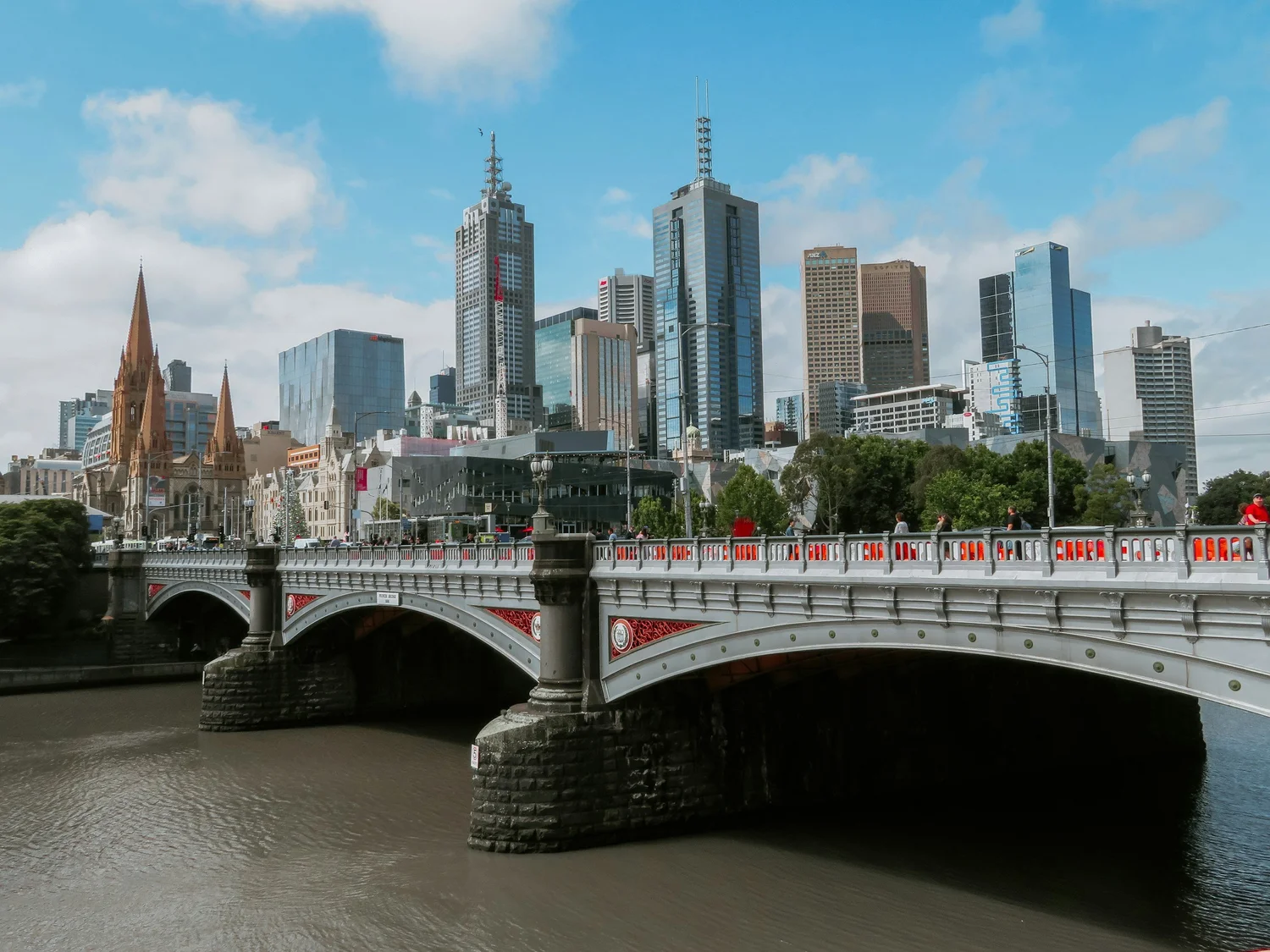
The CapturEDU Journal
Photography guides, written to be used.
Practical guides to camera settings, light, composition, editing and Melbourne locations. Clear enough for beginners, specific enough to take outside tonight.
Browse by topic
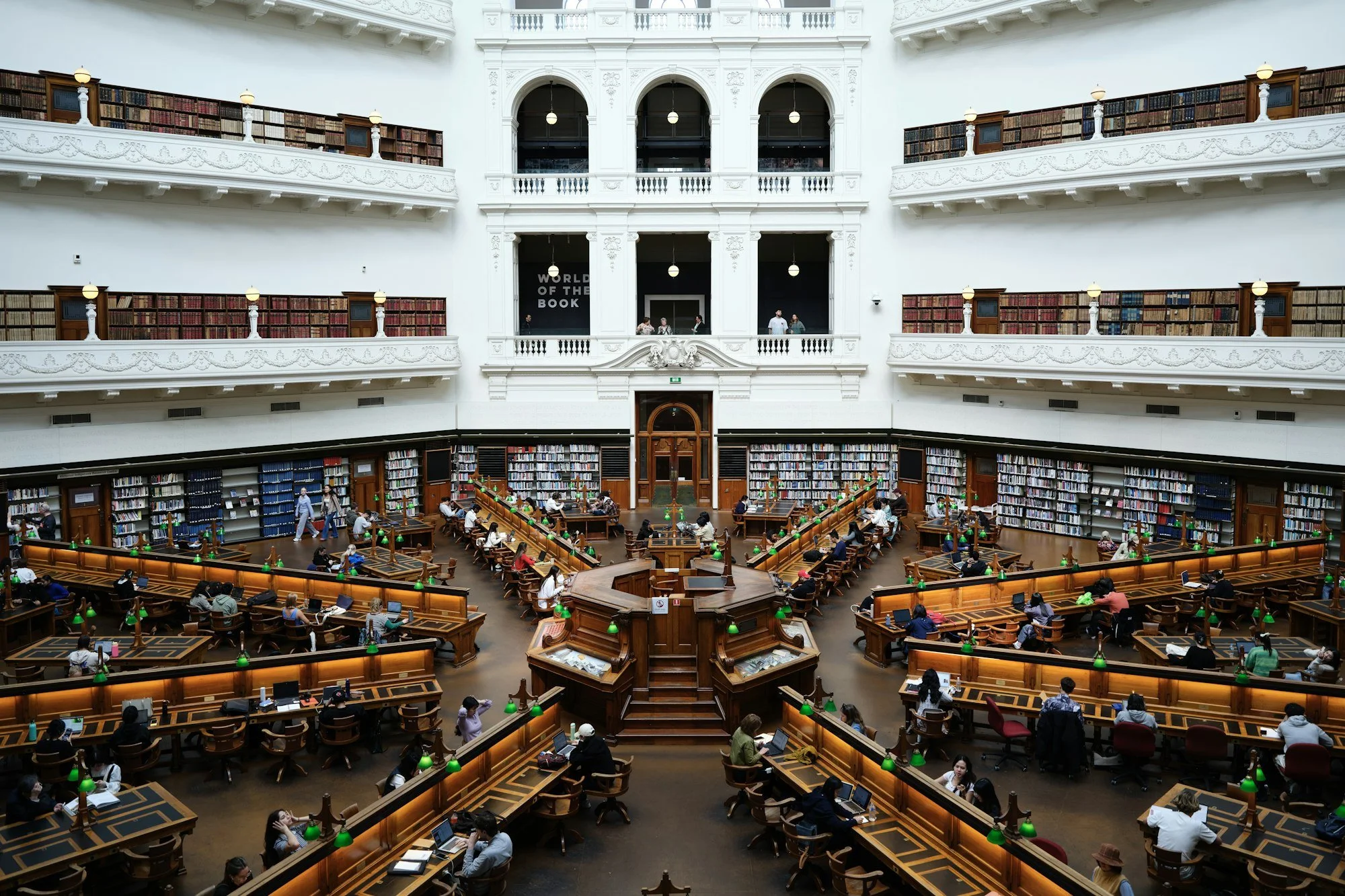
State Library Victoria photography guide: dome and rules
Where to stand for the La Trobe Reading Room dome, how to photograph Queen's Hall and the Swanston Street facade, the Library's current photography rules, and handheld settings that stay sharp in low light without a tripod.
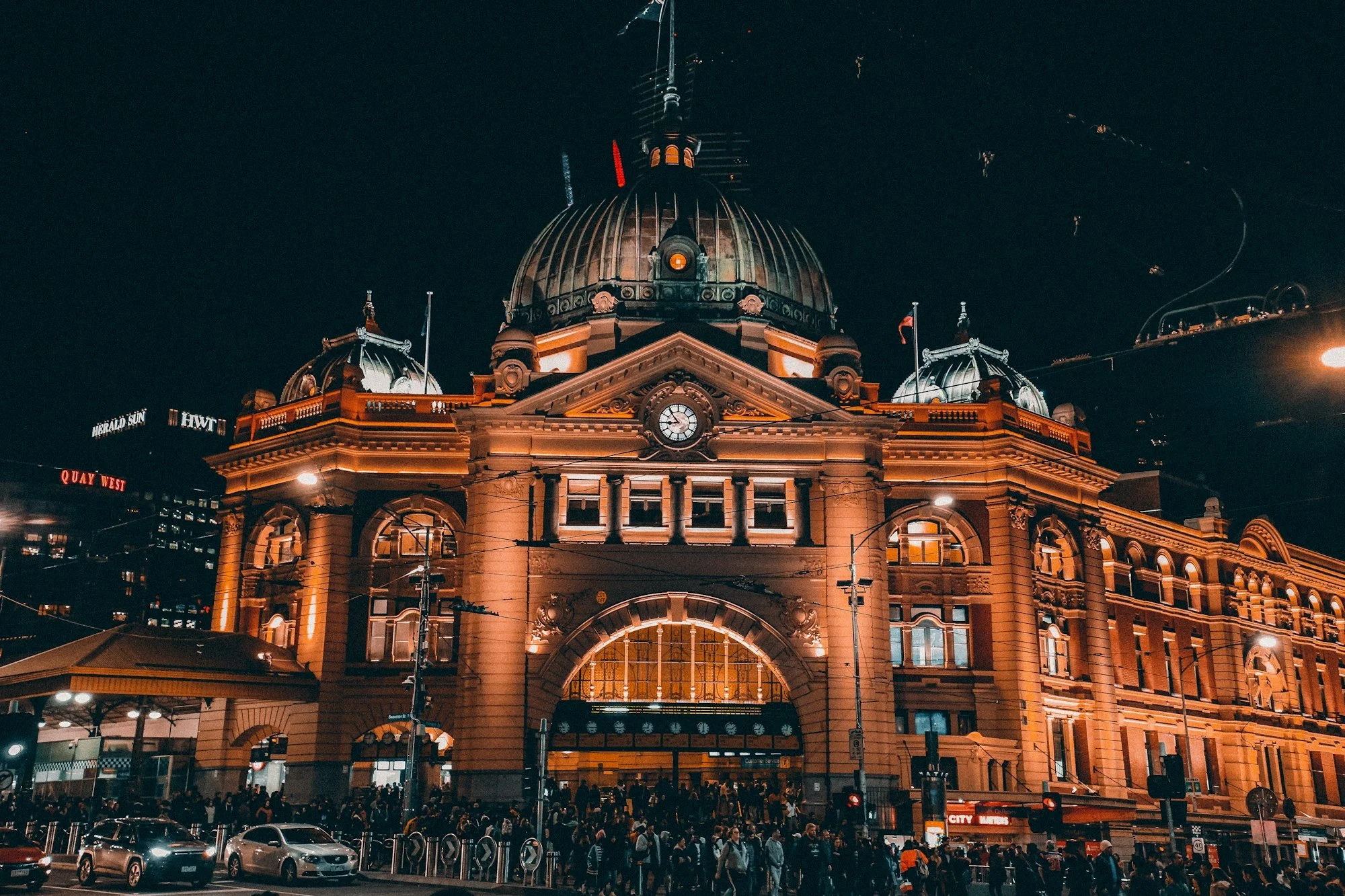
Night photography locations in Melbourne: where to stand
Princes Bridge, Southbank, Federation Square, Bourke Street Mall, Docklands and St Kilda Pier. The best night photography locations in Melbourne, where exactly to stand, when blue hour arrives in each season, and the settings for trails and reflections.
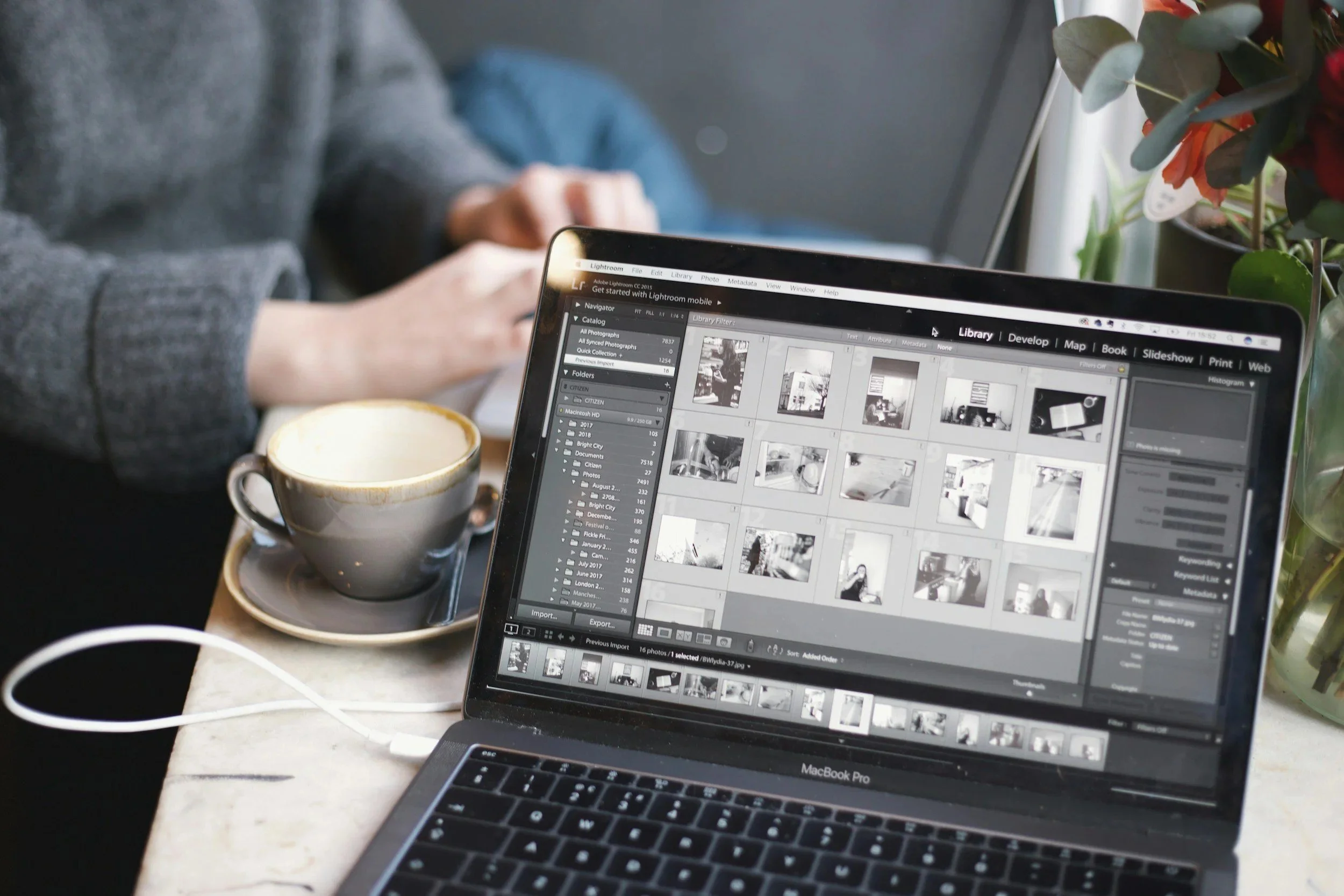
Lightroom for beginners: a five-step edit that actually works
A practical Lightroom workflow for beginners: import and cull with flags and stars, gather your best frames into collections, then edit in five steps from crop and white balance through tone, masks, sharpening and export, with restraint.
RAW vs JPEG: what a RAW file is, and when it matters
An honest guide to RAW vs JPEG: what a raw file is, why 12 and 14-bit files survive heavy editing, highlight recovery, white balance flexibility, file sizes, when JPEG is the right call, RAW+JPEG, and phone ProRAW and DNG.
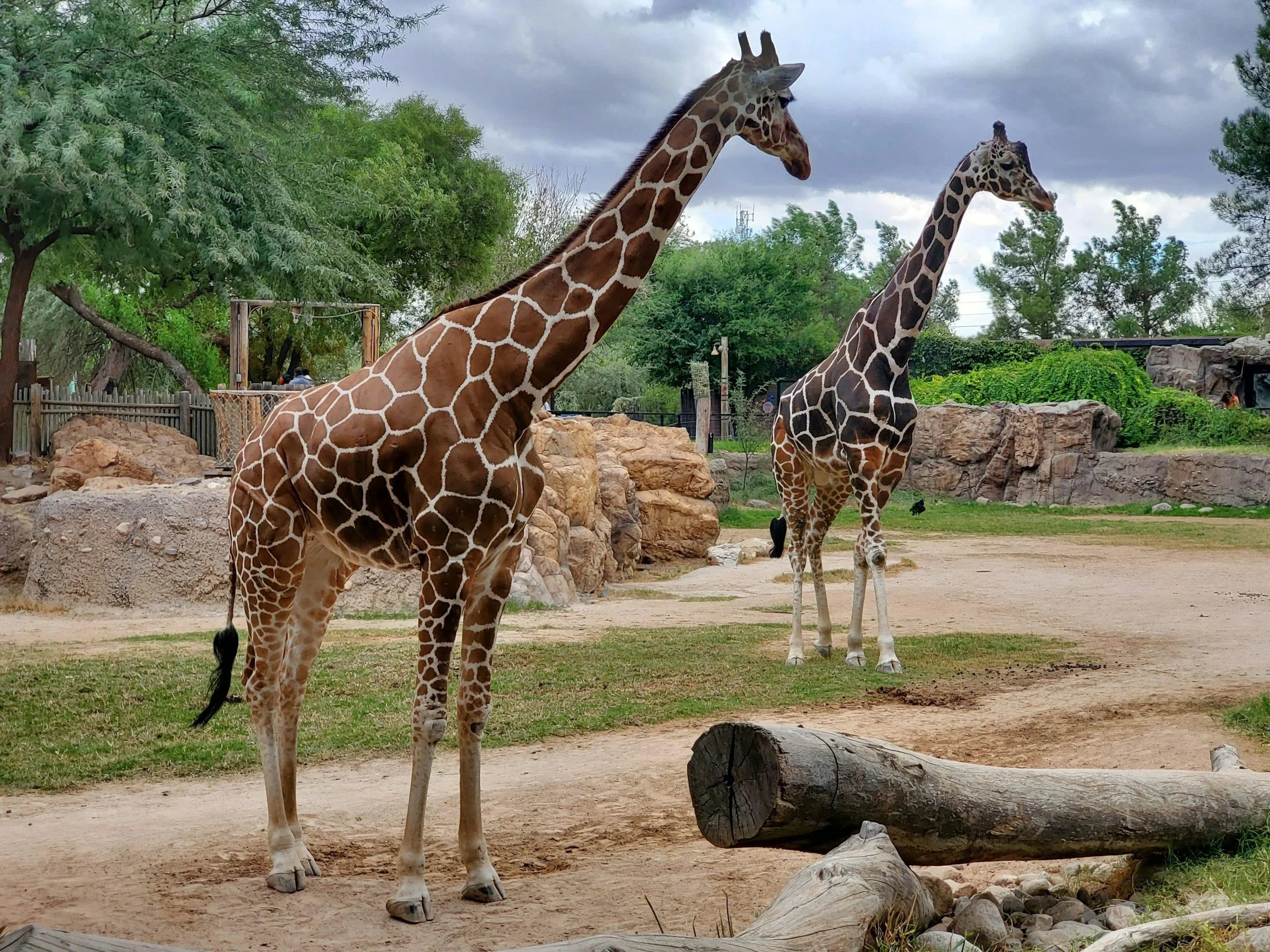
Zoo photography tips: glass, wire and the patience to wait
The settings, glass-and-fence techniques and timing that turn zoo snapshots into wildlife portraits: continuous autofocus, shutter speeds for movement, rubber lens hoods, dark clothes, cleaner backgrounds, morning visits, and why the flash stays off.
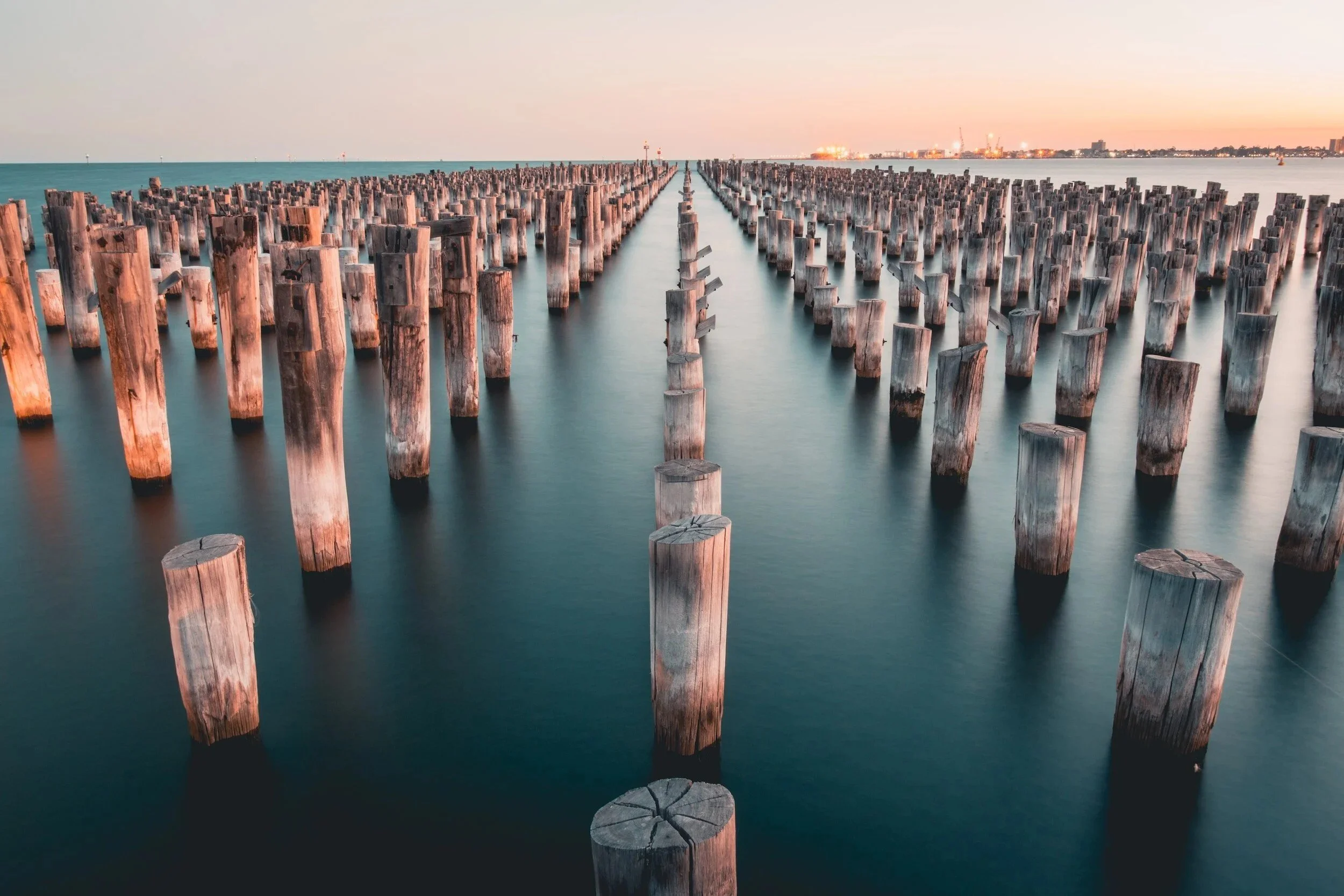
ND filters explained: long exposure photography for beginners
What an ND filter actually does, how to convert your shutter speed through 3, 6 and 10 stops, square versus screw-in systems, colour casts, DSLR light leaks, and why the tide chart matters at Princes Pier.
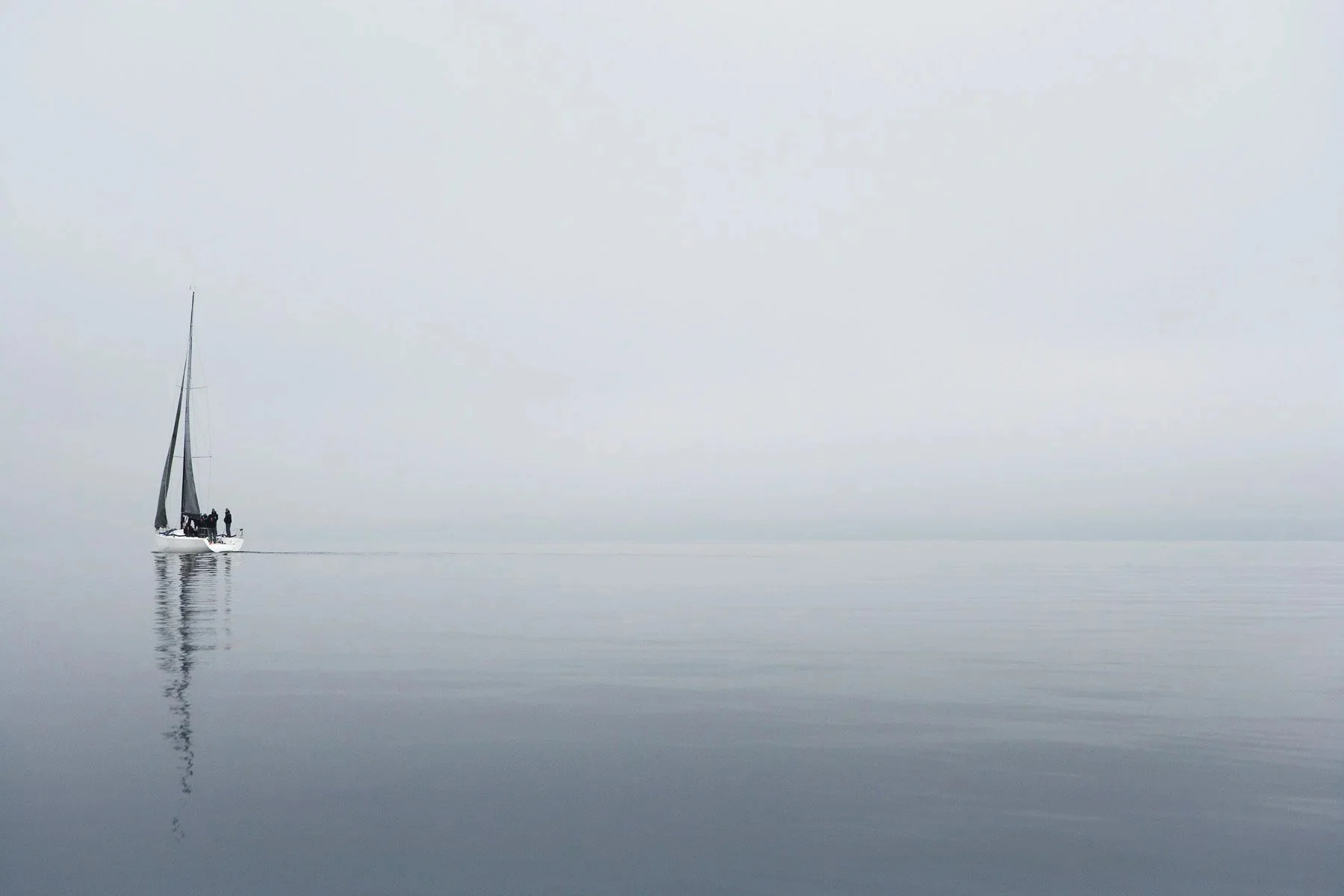
How to read a histogram: better exposure at a glance
A misty white sailboat should produce a histogram that looks wrong. How to read the graph, spot clipped shadows and highlights, why no perfect shape exists, what RGB histograms reveal, and when exposing to the right gives cleaner files.
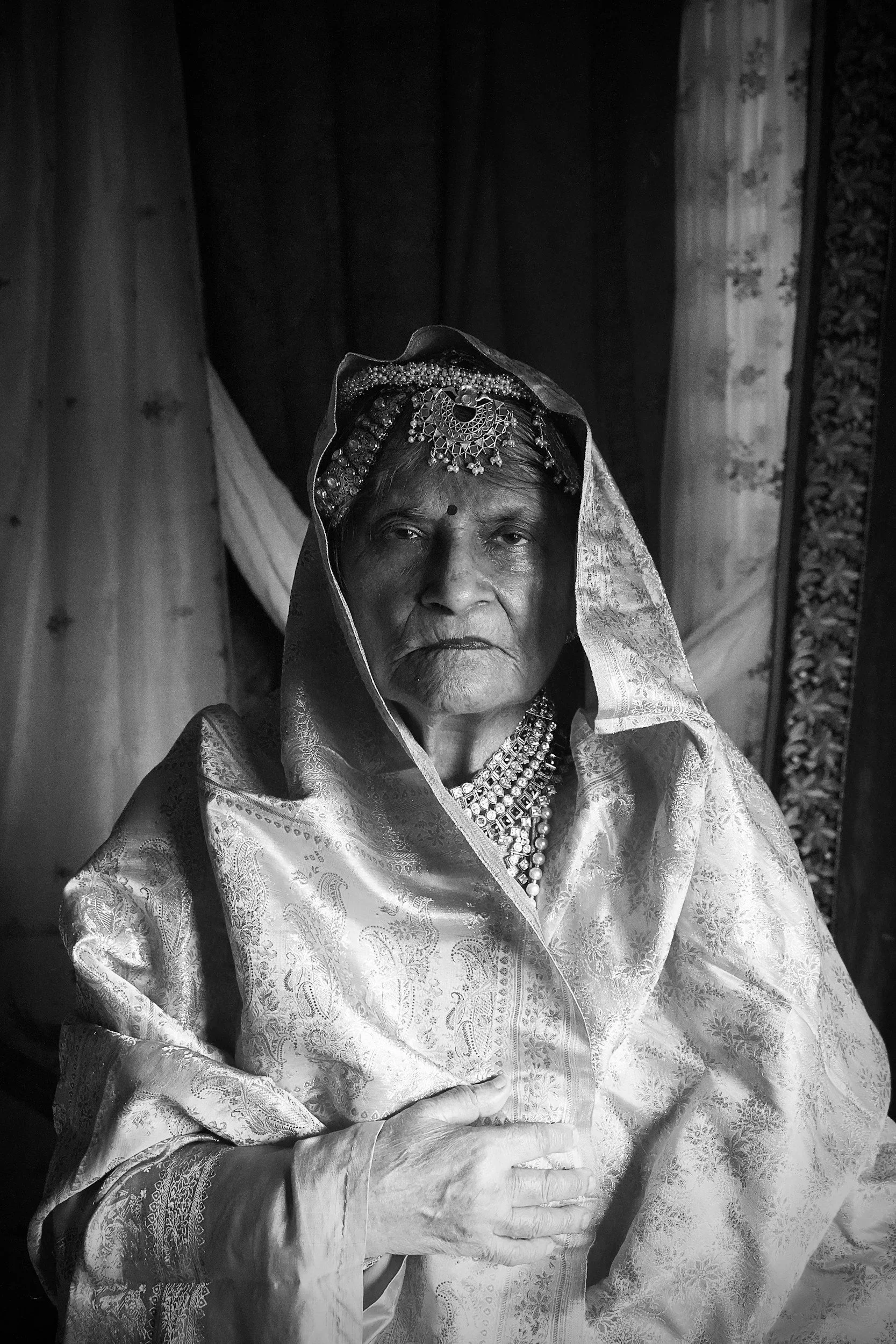
Street photography etiquette in Australia: law and manners
Can you photograph strangers in public in Australia? Generally yes, with exceptions that matter, from indecent image offences to venue rules and commercial releases. The law's broad shape, and the etiquette that makes street photography kinder.
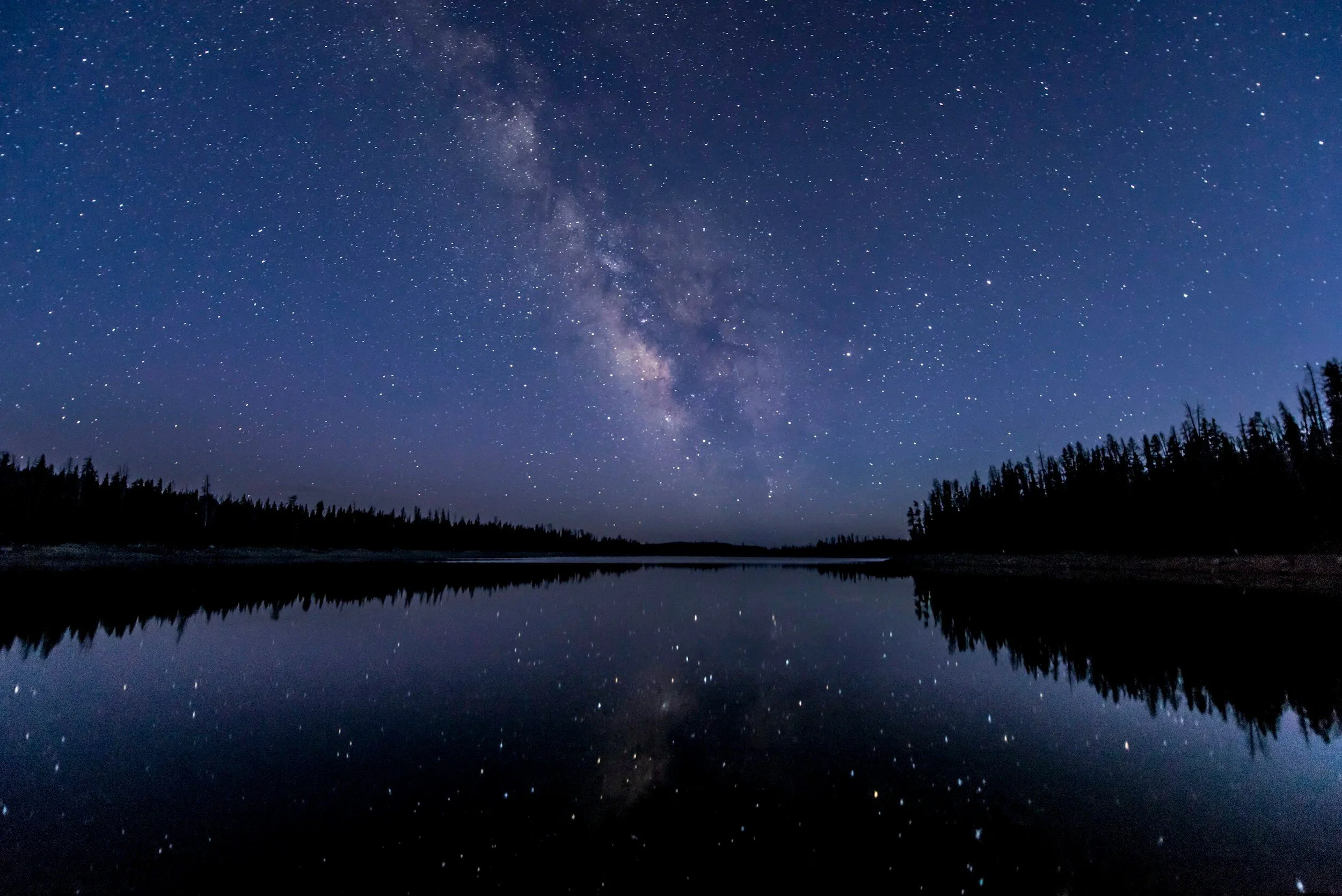
How to photograph the Milky Way in Victoria: settings, timing
Photographing the Milky Way is less about expensive gear than planning: the right season, a new moon, a dark site away from Melbourne's glow. The settings, the 500 and NPF rules, focusing on stars and staying warm.
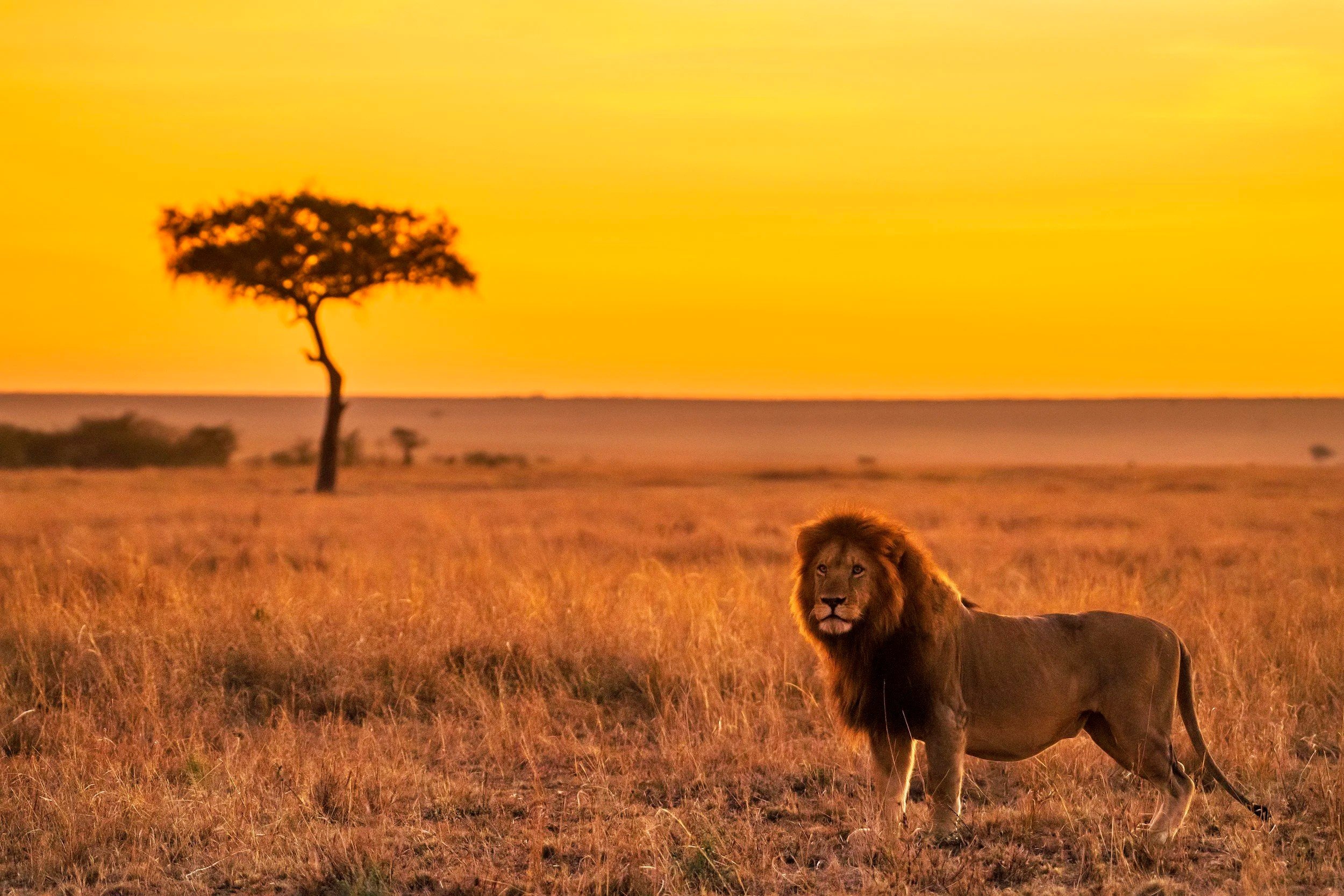
Planning a photography trip: light, gear and what matters
Planning a photography trip: researching light and season, scouting with maps and sun apps, a one-body, two-lens kit, flying with lithium batteries, a nightly backup routine, photographing people respectfully, and when a tour makes sense.
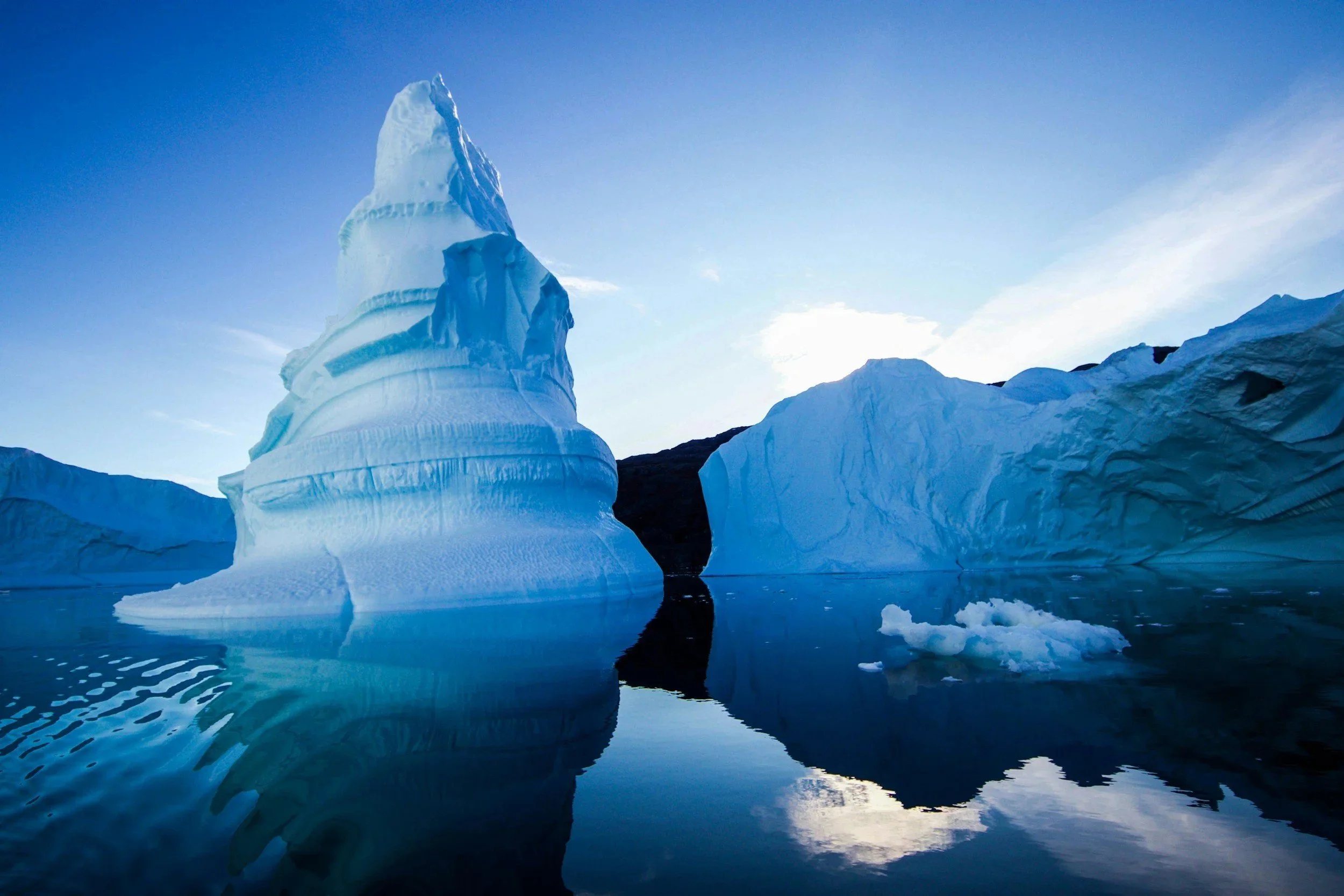
White balance explained: why your photos look orange or blue
Orange photos indoors, blue photos in the shade, green skin under office lights: all of it is white balance. How colour temperature works, why the kelvin scale seems backwards, when to trust auto, and when to set it for mood.
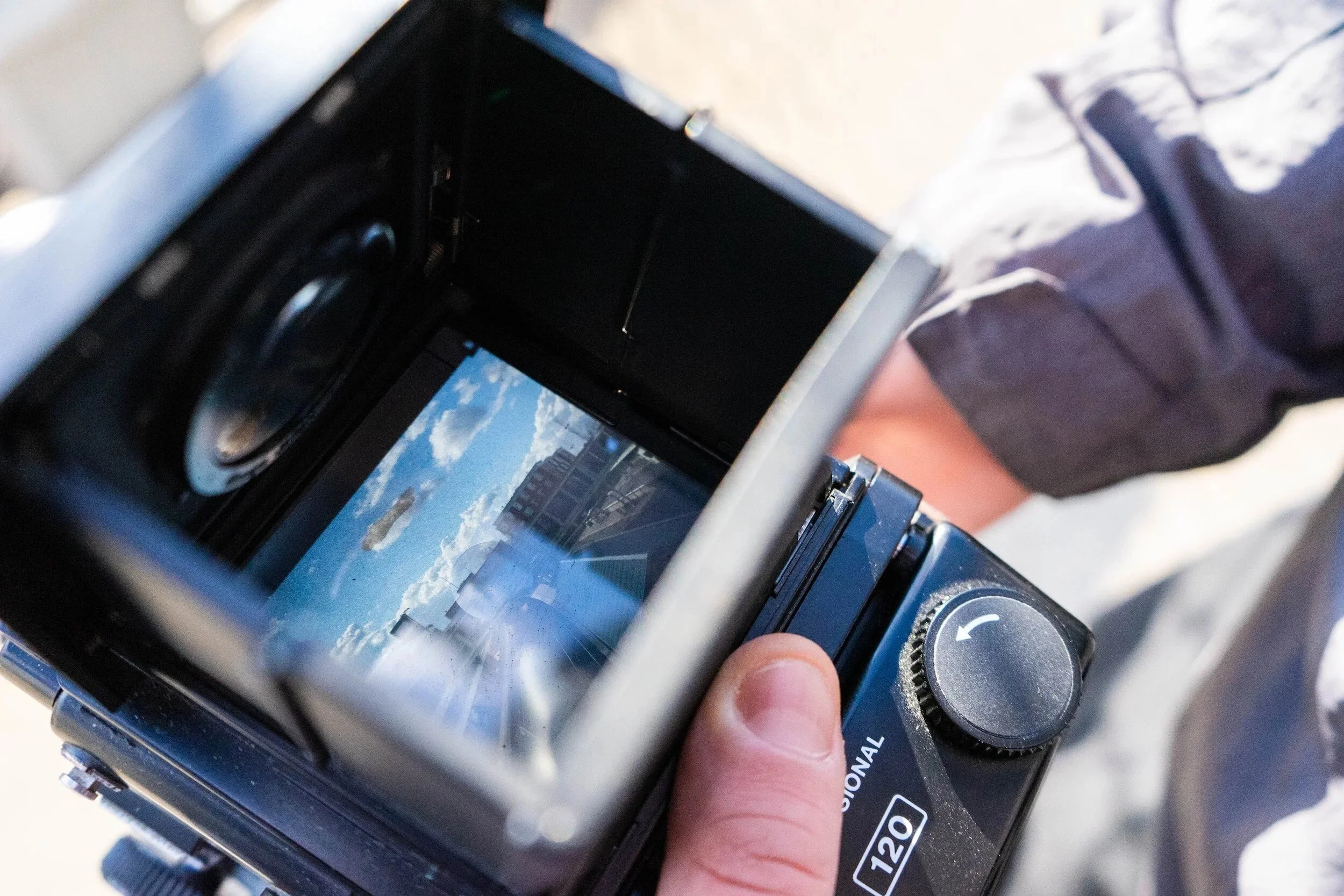
What lens should I buy first? An honest guide to lenses
The numbers on your kit lens explain most beginner frustrations with it. How to read them, why the nifty fifty is still the classic first buy, how crop factor works, and when a zoom, macro or telephoto makes more sense.
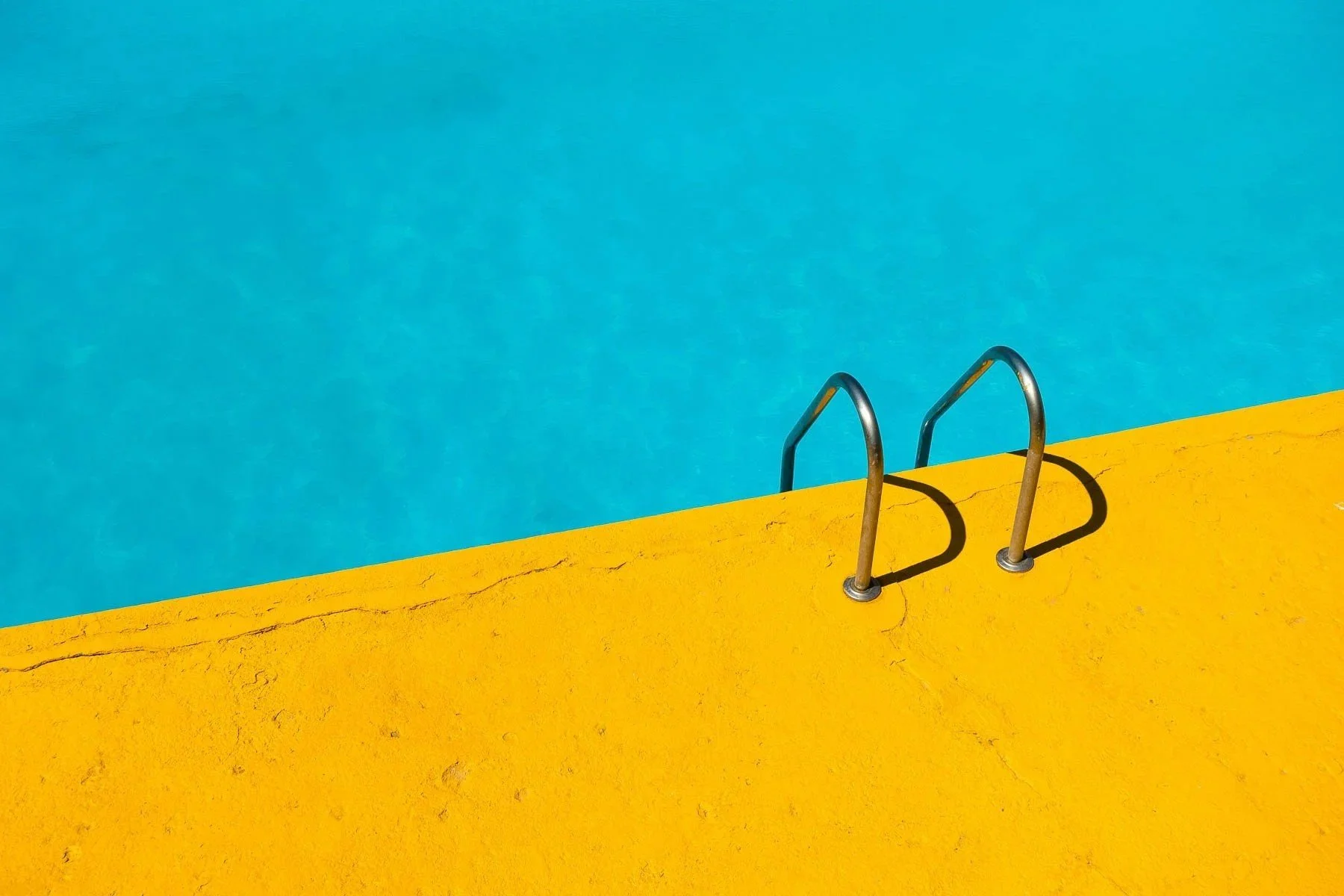
Photography composition rules: thirds, lines and empty space
Why does a photo of a pool ladder stop people scrolling? Placement and restraint. A practical guide to the rule of thirds, leading lines, framing, negative space, foreground interest and the moments when breaking the rules makes a stronger picture.
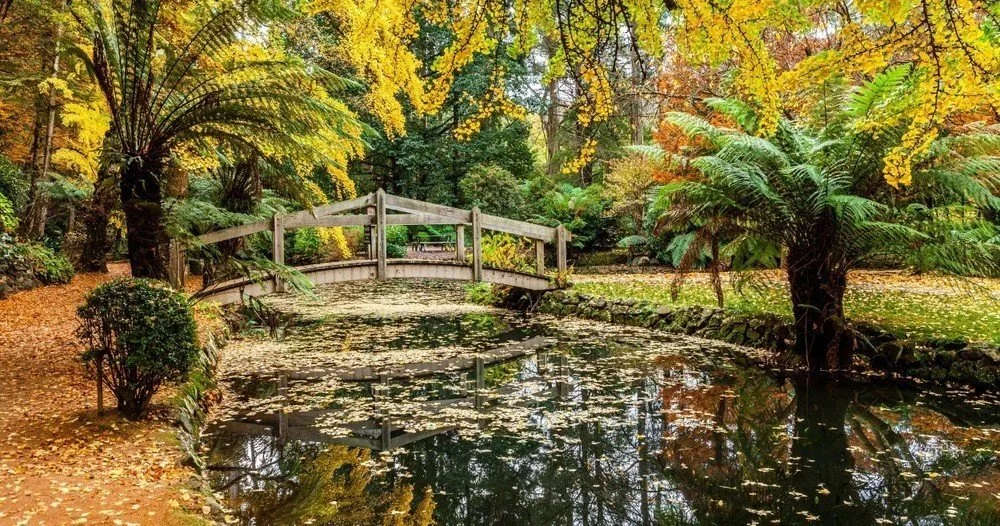
Autumn colours near Melbourne: where and when to shoot them
Mount Macedon's Honour Avenue, the Dandenong Ranges gardens, Daylesford and, further out, Bright. Where to find autumn colours near Melbourne, how to time the peak, and the light, polariser and white balance choices that make them sing.
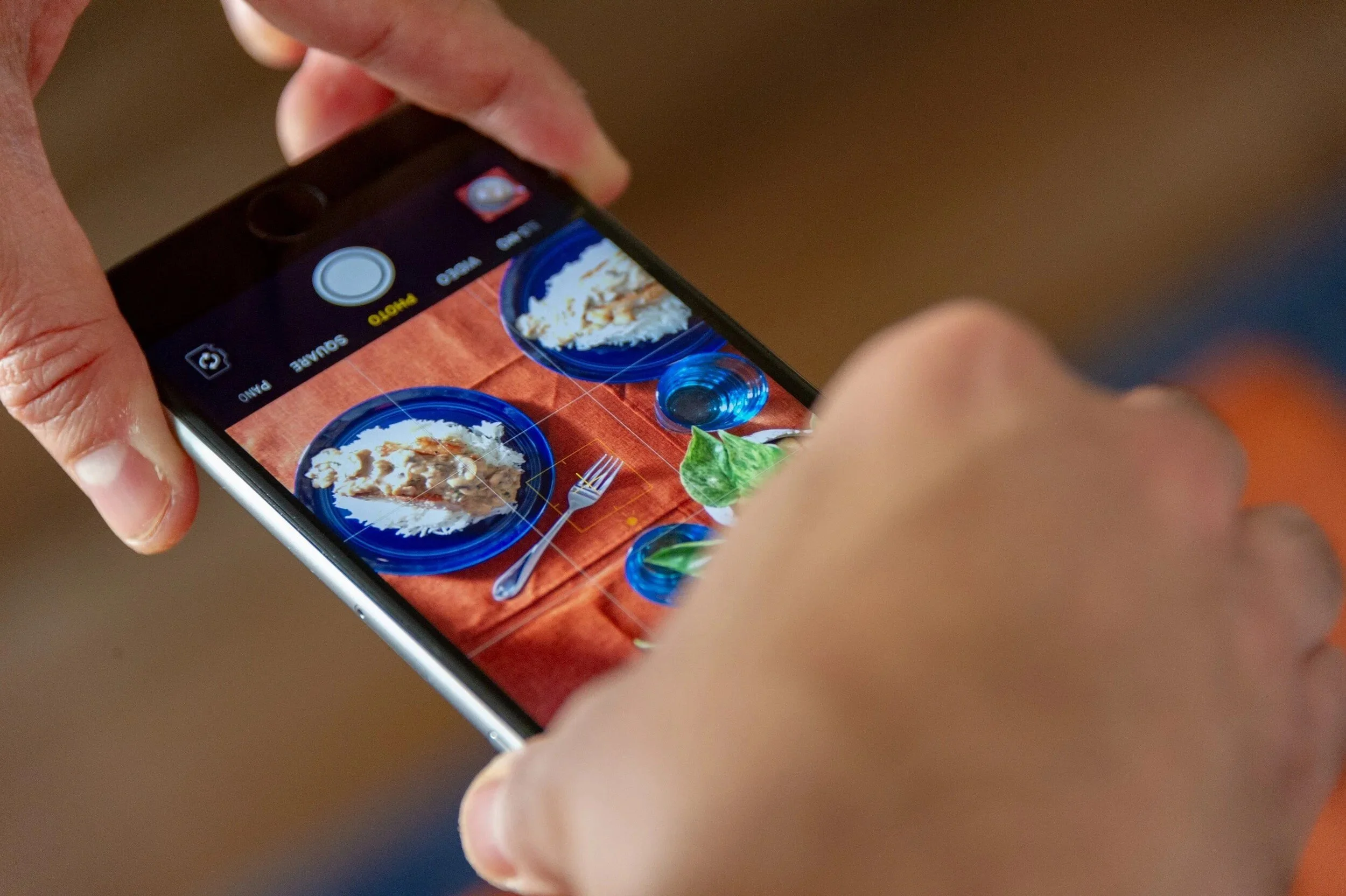
Phone photography tips: 12 habits for better phone photos
Most weak phone photos come from a few habits: a smudged lens, pinch-zooming, letting the phone choose the exposure, trusting portrait mode too far. Twelve simple changes for iPhone and Android that show from your next photo.
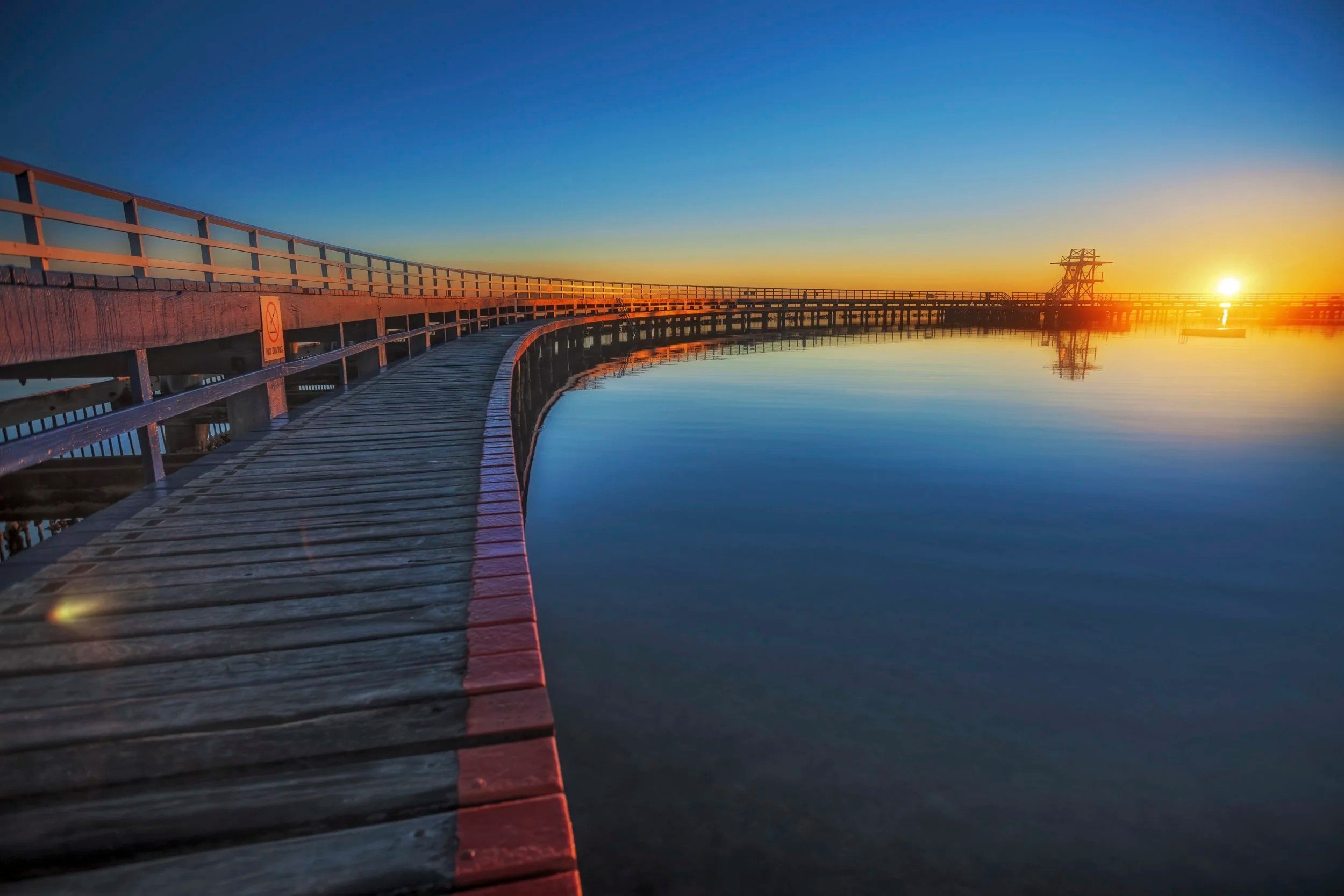
Golden hour vs blue hour: the best time of day for photos
Golden hour gives warm, low, directional light; blue hour gives cool, even twilight that balances city lights. What each one is, why neither lasts an hour, when they fall in Melbourne, and how to shoot both.
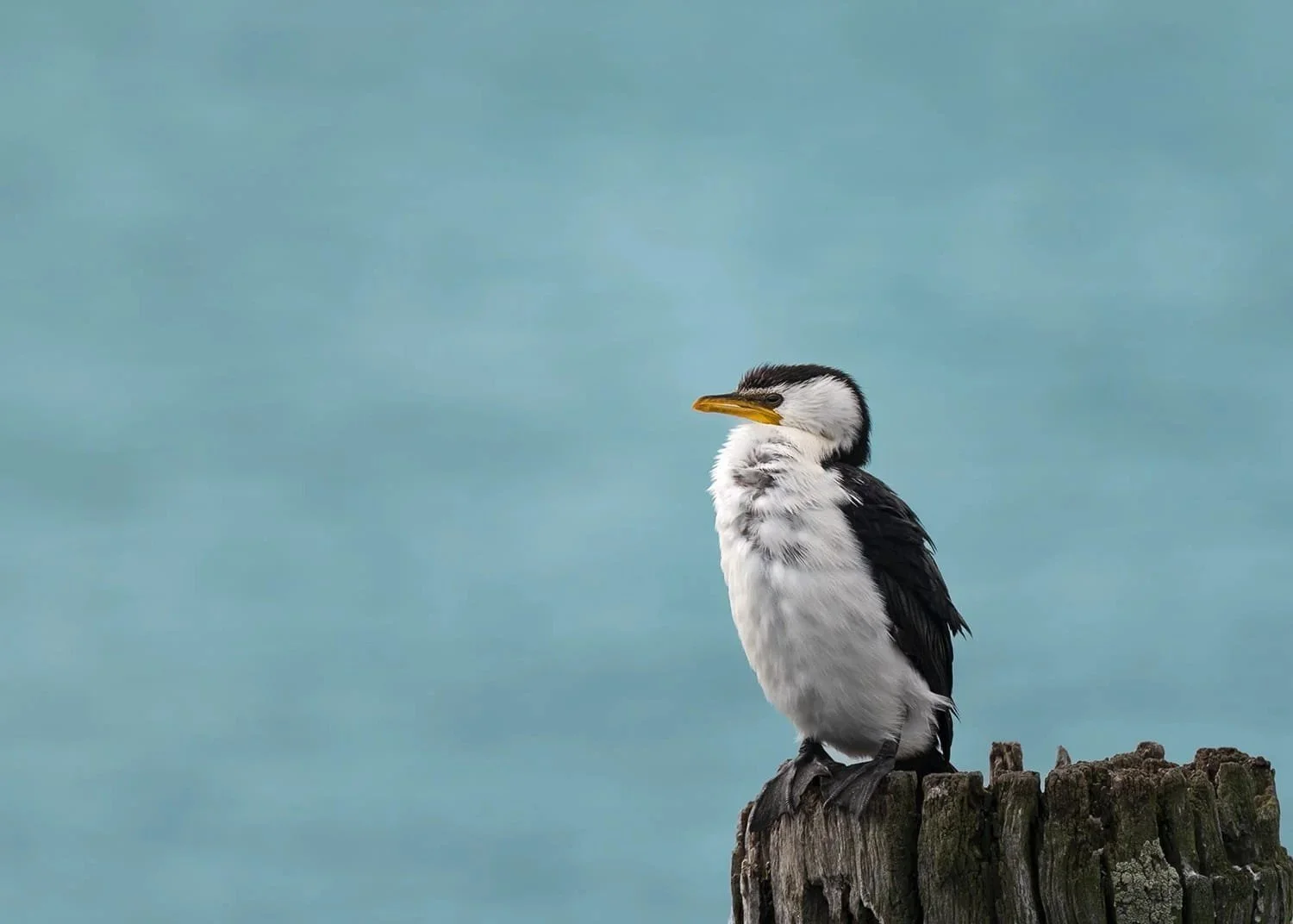
Why are my photos blurry? Nine causes, and how to fix each one
Camera shake, subject movement, the wrong focus point, a focus mode that gave up, thin depth of field, a greasy lens. Nine reasons photos come out soft, how to tell them apart at full size, and the fix for each.
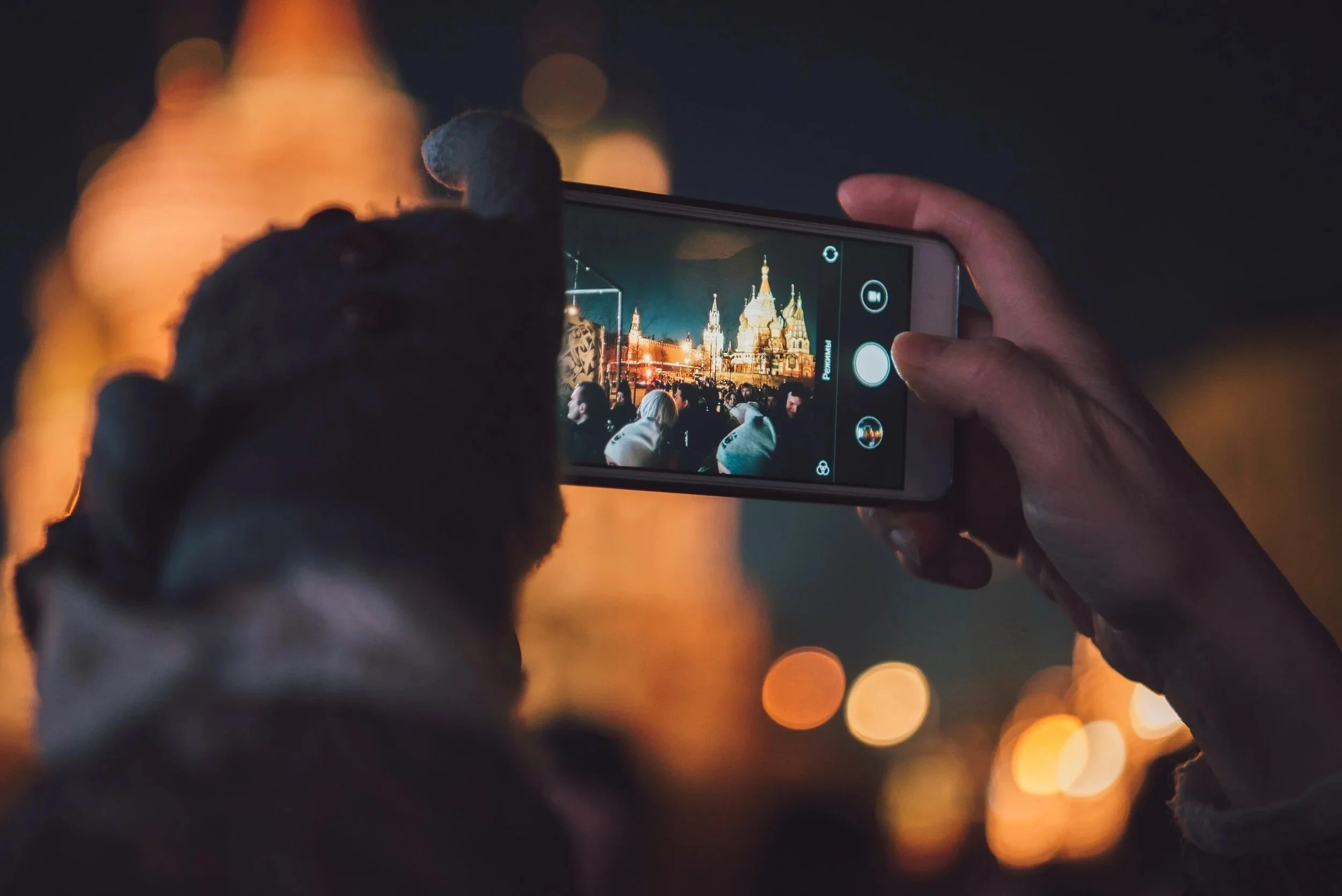
How to photograph fireworks on New Year's Eve, camera or phone
Most fireworks photos end up a smear or an overexposed blob. The fix: a steady camera, low ISO, a mid aperture and a shutter of several seconds, put to work on New Year's Eve with a camera or a phone.
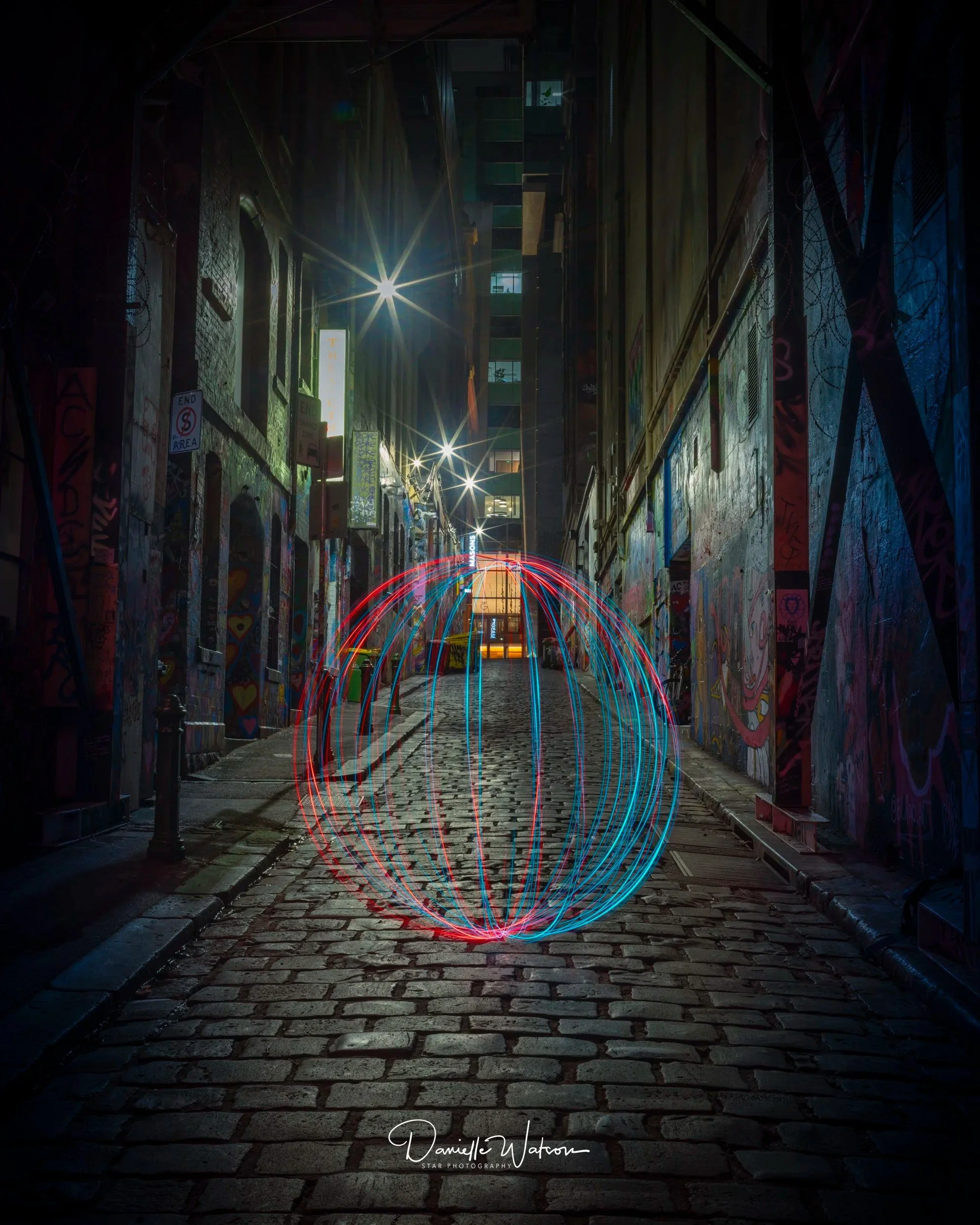
Night photography settings for the city: trails and lanes
What makes city night photography work: a tripod, low ISO, a mid aperture and a shutter measured in seconds. How to draw light trails at Flinders Street Station, focus in the dark and paint with light in a laneway.
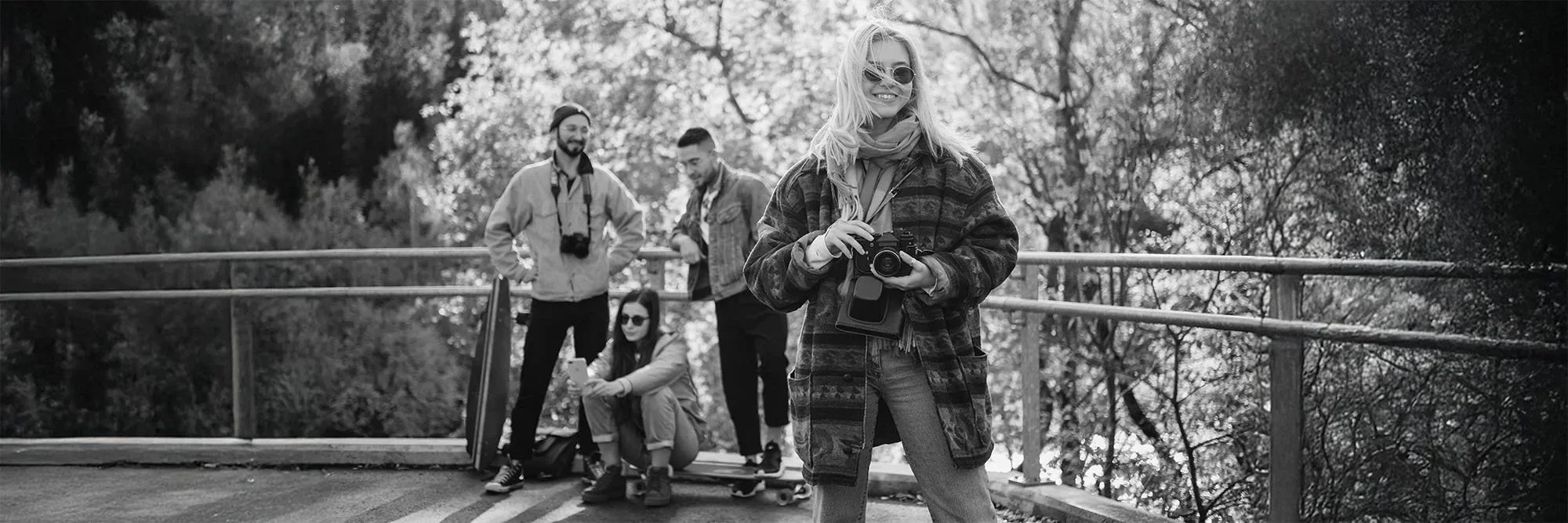
How to choose a photography workshop worth your money
What to check before booking a photography workshop: group size, shooting versus lecture time, feedback on your images, educator credentials, level labels, light timing, weather policy, inclusions, reviews, and when a private lesson suits better.