
Street photography etiquette in Australia: law and manners
Photographing people in public is generally lawful in Australia, with important exceptions. The etiquette that good street photographers follow asks far more of you than the law does.
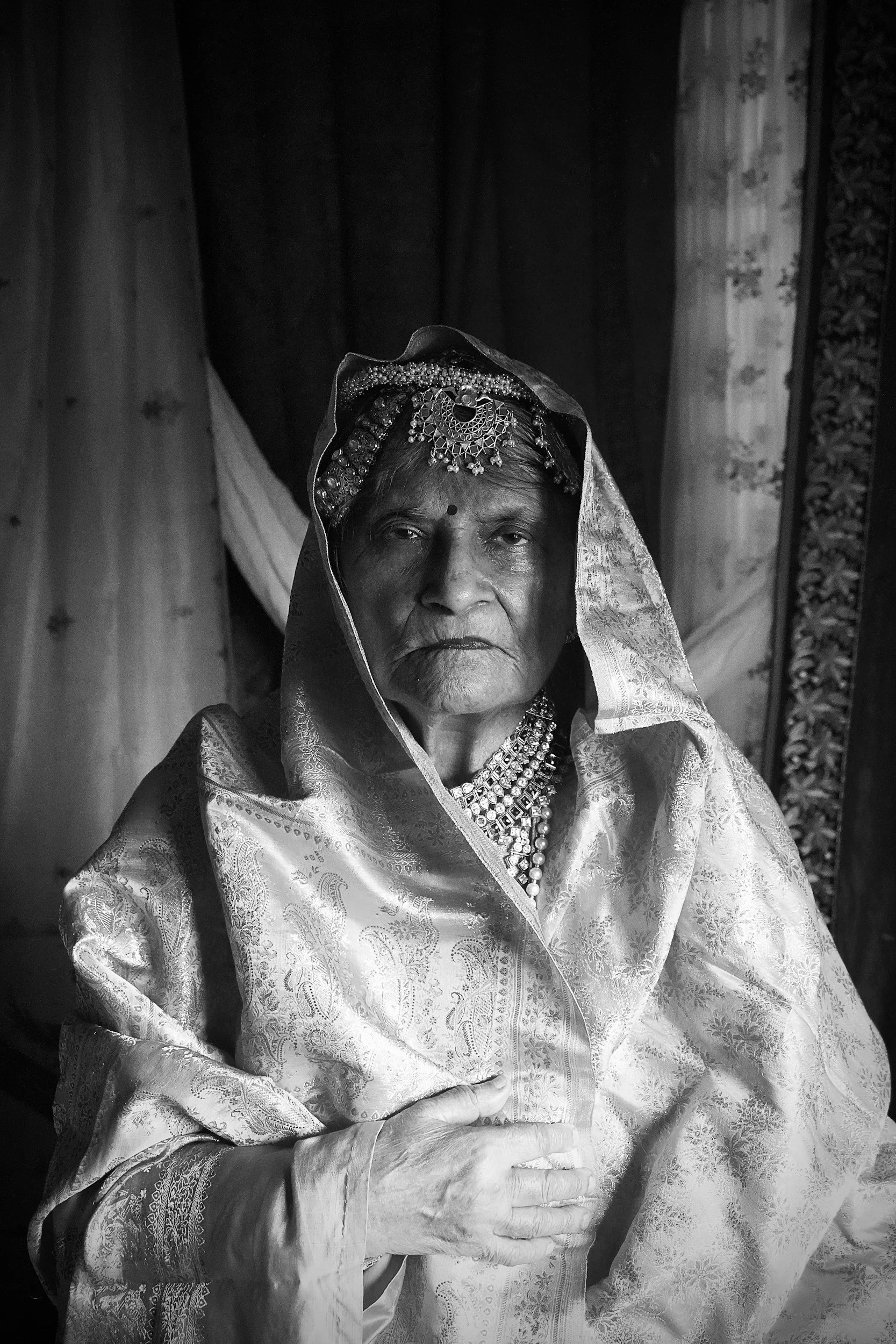
The best street portrait you make this year will probably begin with a conversation. A woman at a window, lace scarf over her hair, light falling across one side of her face. You could take it from across the room and leave. Or you could cross the room, say hello, ask about the scarf, and come away with a photograph in which she is looking straight at you because she has decided to.
Both are usually lawful in Australia. Only one of them is how most working street photographers prefer to operate. This guide covers what the law generally allows, where it draws lines, and the etiquette that matters as much as either.
This is general information, not legal advice. Laws differ between states and territories, change over time, and depend on the facts. If you plan to publish or sell images of people, or you are unsure about a situation, get advice from a qualified lawyer.
Is it legal to photograph people in public in Australia?
Generally, yes. Australian law has not traditionally recognised a broad right to privacy that stops someone being photographed in a public place such as a street, park or beach. There is no general requirement to ask permission before photographing a person in public, and no general right for them to demand you delete the image.

That position is not unlimited, and it is evolving. A federal statutory tort for serious invasions of privacy commenced in 2025. It is aimed at serious intrusions and misuse of information, committed intentionally or recklessly, where a person had a reasonable expectation of privacy. Ordinary photography of people going about their day on a public street is unlikely to fall within it, but it is new and untested in the courts, and it is one more reason to think about context rather than assume anything goes.
The law sets the floor. How you treat the people in your pictures is up to you.
When photographing people in public can be illegal
Several important exceptions apply, and some are serious criminal offences.
- Indecent and intimate images. Every state and territory has offences covering the filming or photographing of people's private parts without consent, including so-called upskirting, and people in private acts such as undressing or showering, including in change rooms and toilets. These apply in public places too.
- Harassment and stalking. Repeatedly following, photographing or intimidating someone can amount to an offence, whatever the setting.
- Private property. Shopping centres, stadiums, galleries, some transport operators and other venues can set conditions of entry, including restrictions on photography. If you are asked to stop or leave, the owner or their staff are generally entitled to insist.
- Specific places. Some government, defence and security sites restrict photography, and many public pools, schools and sporting venues have their own rules.
- Surveillance device laws. These state and territory laws are mainly concerned with recording private conversations and, in some jurisdictions, private activities using devices. They matter most if you record video with sound. Still photography on a public street is a different matter, but the details vary by state.
Commercial use, model releases and publishing
Taking a photograph and using it are separate questions. Editorial and artistic uses, such as a personal website, an exhibition, a photo book or a news story, generally carry lower risk. Commercial use is different. Using a recognisable person's image to advertise or endorse a product or service without consent can expose you to claims under consumer law and related areas, because it can imply an endorsement that does not exist. Stock agencies and commercial clients typically require a signed model release for any recognisable person.

Captions matter too. A photograph paired with words that suggest something false or damaging about an identifiable person can raise defamation issues.
Commercial shoots in public spaces raise a separate issue. Many councils, including in Melbourne, require permits for commercial filming and photography on public land, and national parks have their own permit systems. Personal photography usually does not need one, but check with the relevant council or land manager for anything commercial.
Street photography etiquette
Most street photographers work within a code that goes further than the law requires, and it makes the work better as well as kinder.

Be visible. Hold your camera openly. Hiding it or shooting from the hip tends to make people more uneasy when they notice, not less.
Engage. If someone notices you, smile, nod or say hello. Show them the picture if they are curious. Many of the best encounters start with a moment of eye contact that you did not run away from.
Delete if asked. You may not be legally required to, but if someone asks you to delete a photograph of them, doing it is almost always the right call. No single frame is worth making a person feel exploited.
Leave vulnerable people alone. People experiencing homelessness, in distress, injured, grieving, intoxicated or receiving medical help are not material. If you believe a photograph of a hard situation has genuine documentary value, that belief comes with a responsibility to treat the person with dignity, and usually to ask.
Respect culture and ceremony. Some communities have strong sensitivities around images, including images of people who have died. At religious and cultural events, ask organisers what is appropriate.
Can you photograph children in public?
There is generally no specific law against photographing children in a public place, but this is where legal and acceptable part ways most sharply. Many parents are understandably protective, and a stranger photographing their child can feel threatening regardless of intent. Schools, pools, playgrounds attached to venues and children's sporting events often have explicit rules.
The practical rule is simple. If a child is the subject of the photograph, ask a parent or carer first, and respect the answer. If children are incidental figures in a wider scene, that is ordinarily a different situation, but think carefully before publishing images in which they are identifiable.
Melbourne is a generous city for this kind of work. The Queen Victoria Market, Bourke Street Mall, Hosier Lane and the stretch of Southbank beside the Yarra all reward patience, and our list of the best photography locations in Melbourne has more. If you want to build confidence approaching strangers with someone alongside you, the street photography workshop is designed for exactly that.
Practise this
- Spend an hour at a busy market photographing openly, camera at chest height rather than hidden. Each time someone notices, make eye contact and smile, and note how they respond.
- Ask five strangers for a portrait in one afternoon. Tell them one sentence about why, and offer to email them a copy. Count the yeses.
- Review your last street session and delete any frame you would not be comfortable showing to the person in it.
Questions, answered.
Can someone stop me taking their photo in public in Australia?
Do I have to delete a photo if someone asks?
Do I need a model release for street photography?
Is it illegal to photograph children in public in Australia?
Published by CapturEDU, Melbourne photography education. Our educators are award-winning photographers with a Master of Arts in Photography (RMIT), AIPP and RPS membership.

