
The CapturEDU Journal
Photography guides, written to be used.
Practical guides to camera settings, light, composition, editing and Melbourne locations. Clear enough for beginners, specific enough to take outside tonight.
Browse by topic
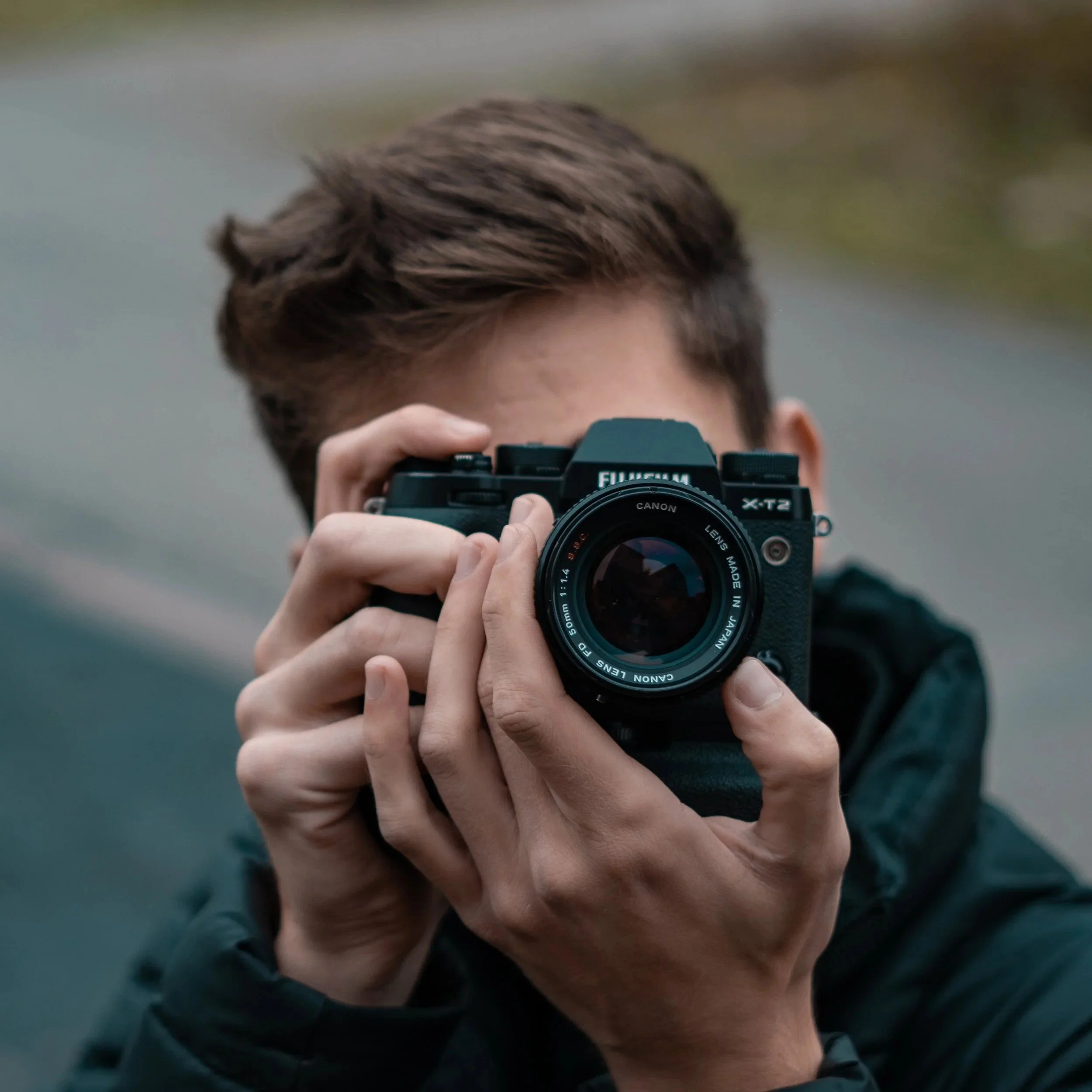
How to shoot in manual mode, and finally get off auto
Auto mode guesses. Manual mode lets you decide. How to read the exposure meter, the order to set aperture, shutter speed and ISO, when semi-automatic modes are the smarter choice, and a seven-day plan to make manual feel routine.
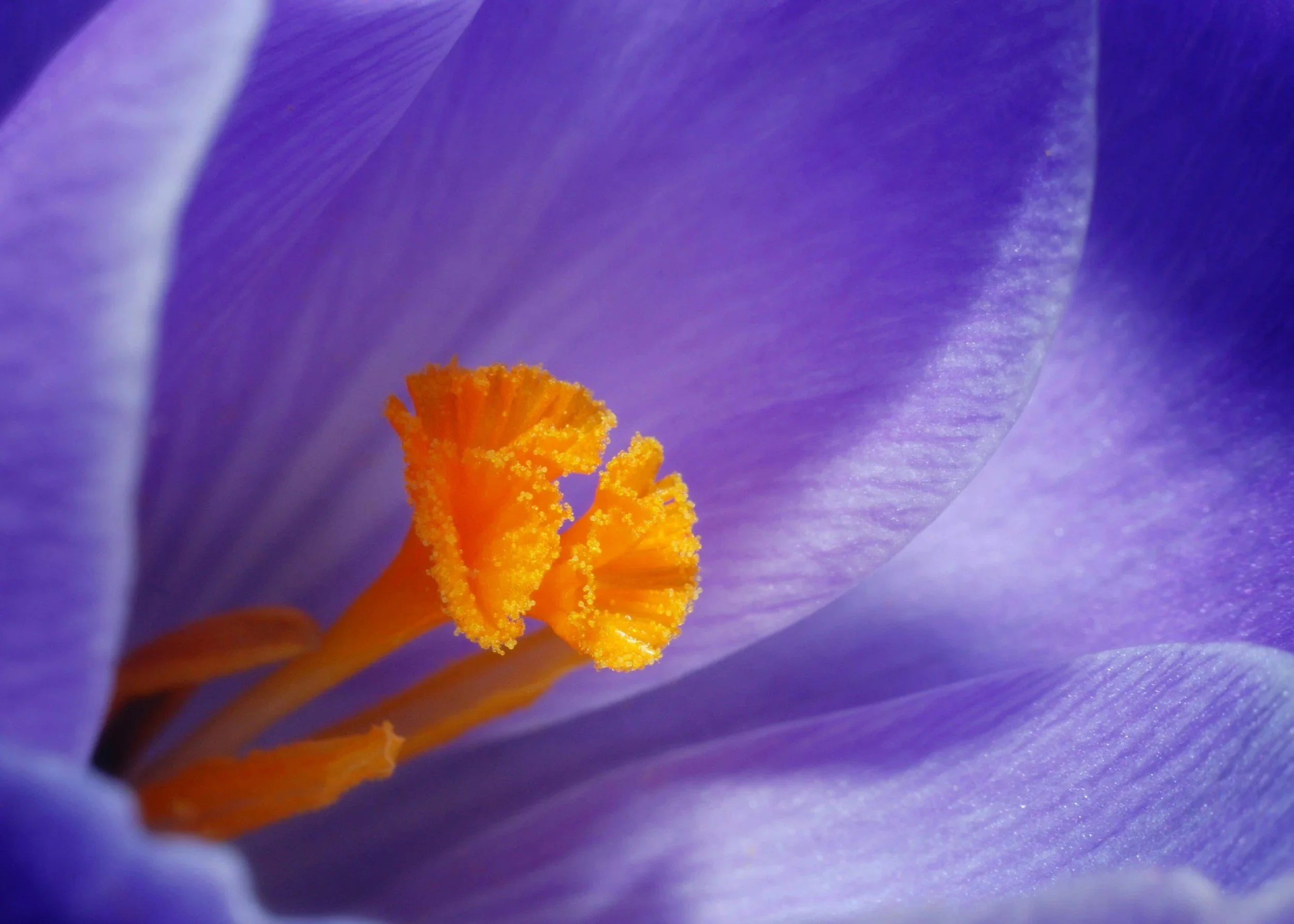
The exposure triangle explained: aperture, shutter and ISO
A crocus at f/2.8 and a pier at 30 seconds sit at opposite ends of one system. Here is how aperture, shutter speed and ISO trade light between them, and how to choose the setting that shapes the picture first.
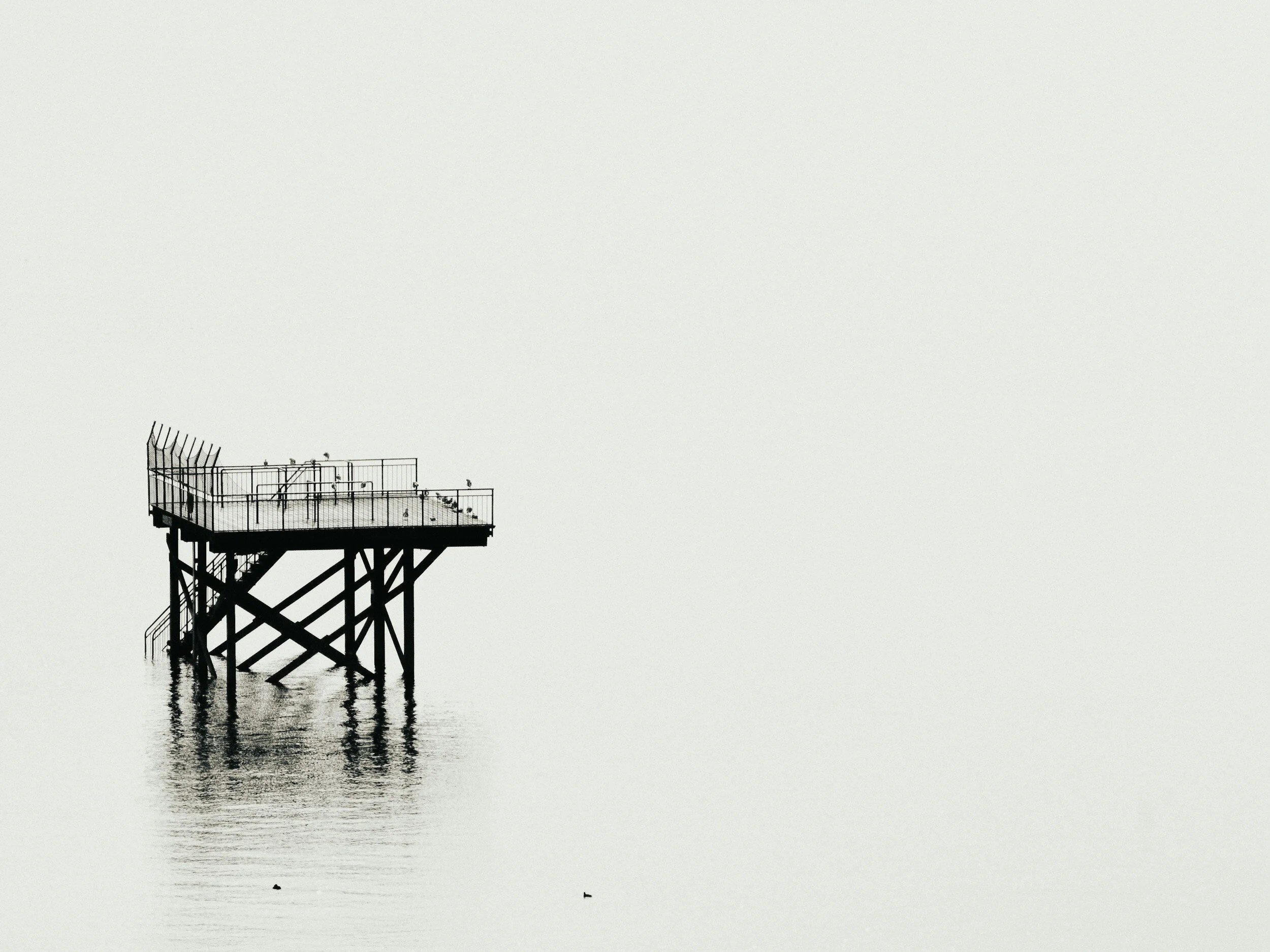
Negative space in photography: why less makes photos stronger
What negative space is and why it makes photographs stronger: emphasis, scale, mood and balance, where to place a subject, exposure for bright and dark space, Melbourne places to practise, and the common mistakes to avoid.

Composing animal portraits: eye level, behaviour and story
How to compose animal portraits anywhere: why eye level changes everything, reading behaviour to anticipate the moment, getting clean backgrounds, placing the eye in the frame, and telling a story with portrait, behaviour and environment.
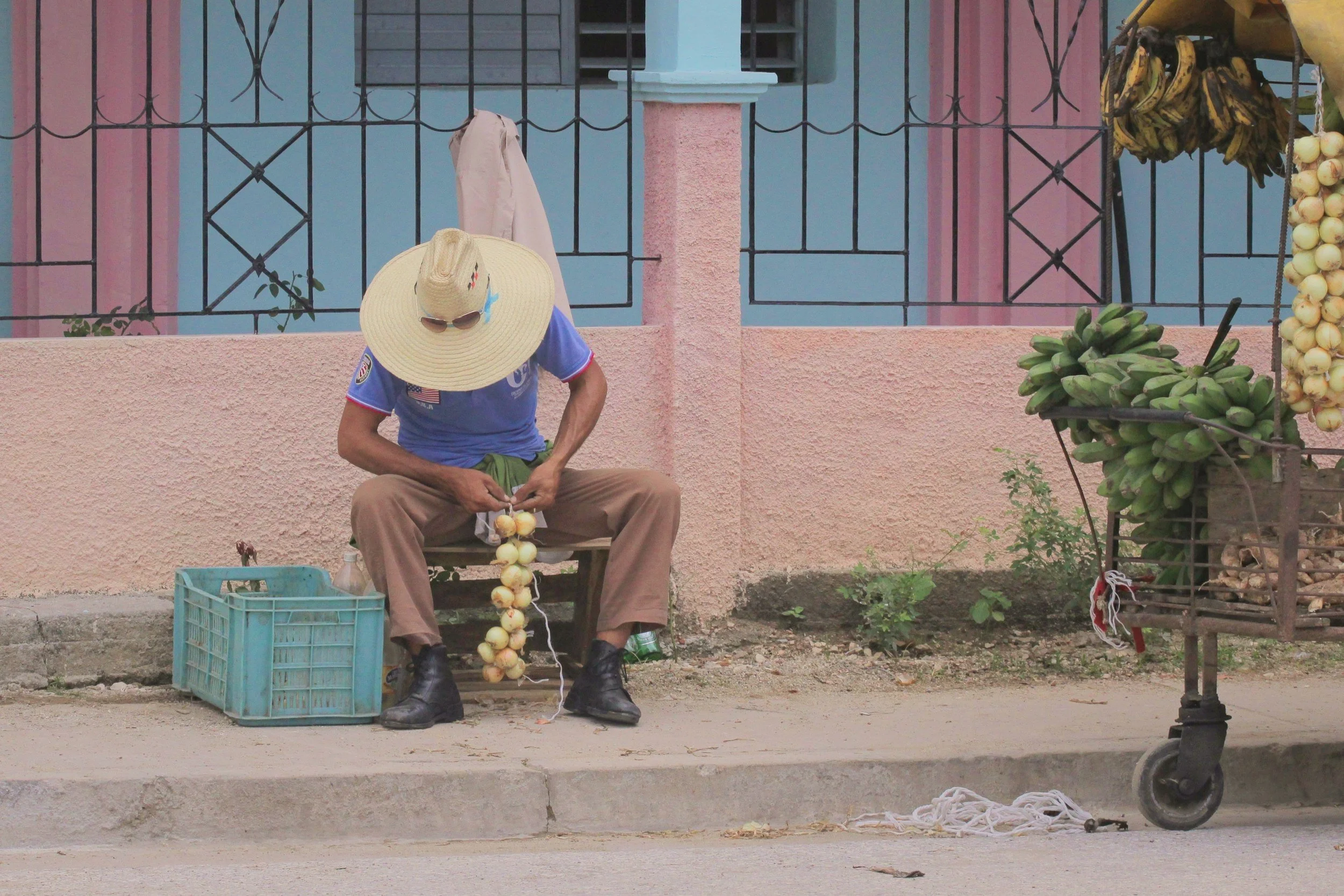
Travel portraits: how to photograph people when you travel
How to photograph people when you travel: asking strangers for a portrait, respecting local customs and sacred sites, finding flattering light in doorways and shade, choosing a lens, and building a short sequence that tells a story.

How to back up your photos: the 3-2-1 rule, made simple
A practical guide to backing up photographs: the 3-2-1 rule, why a Lightroom catalogue backup does not save your pictures, cloud sync versus cloud backup, organising folders by date, and a routine that protects every shoot.
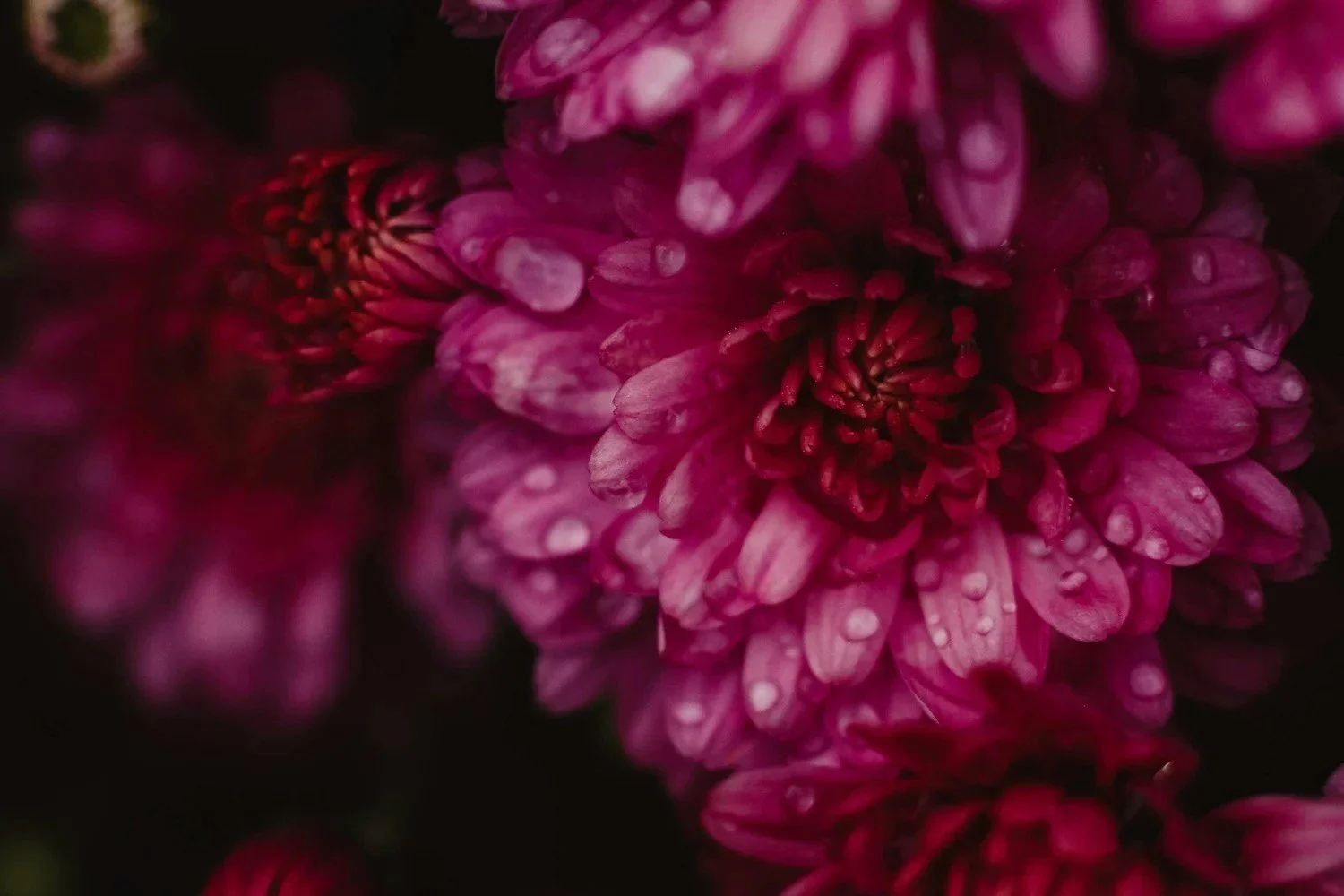
Macro flower photography: light, focus and clean backgrounds
A practical guide to macro flower photography: which lens or adaptor to use, the light that suits petals, why depth of field shrinks to a millimetre, cleaner backgrounds, focus stacking, and Melbourne gardens to practise in.

Night sky photography: the moon, star trails and the 500 rule
A beginner's guide to the night sky beyond the Milky Way: exposing the moon with the Looney 11 rule, planning a moonrise over a landscape, stacking star trails around the south celestial pole, and where the 500 rule breaks down.

Architecture photography tips: verticals, light and detail
Practical architecture photography tips: why buildings lean and how to fix it, which light suits which facade, when blue hour works, how to handle interiors and details, and the Melbourne buildings that make the best practice subjects.
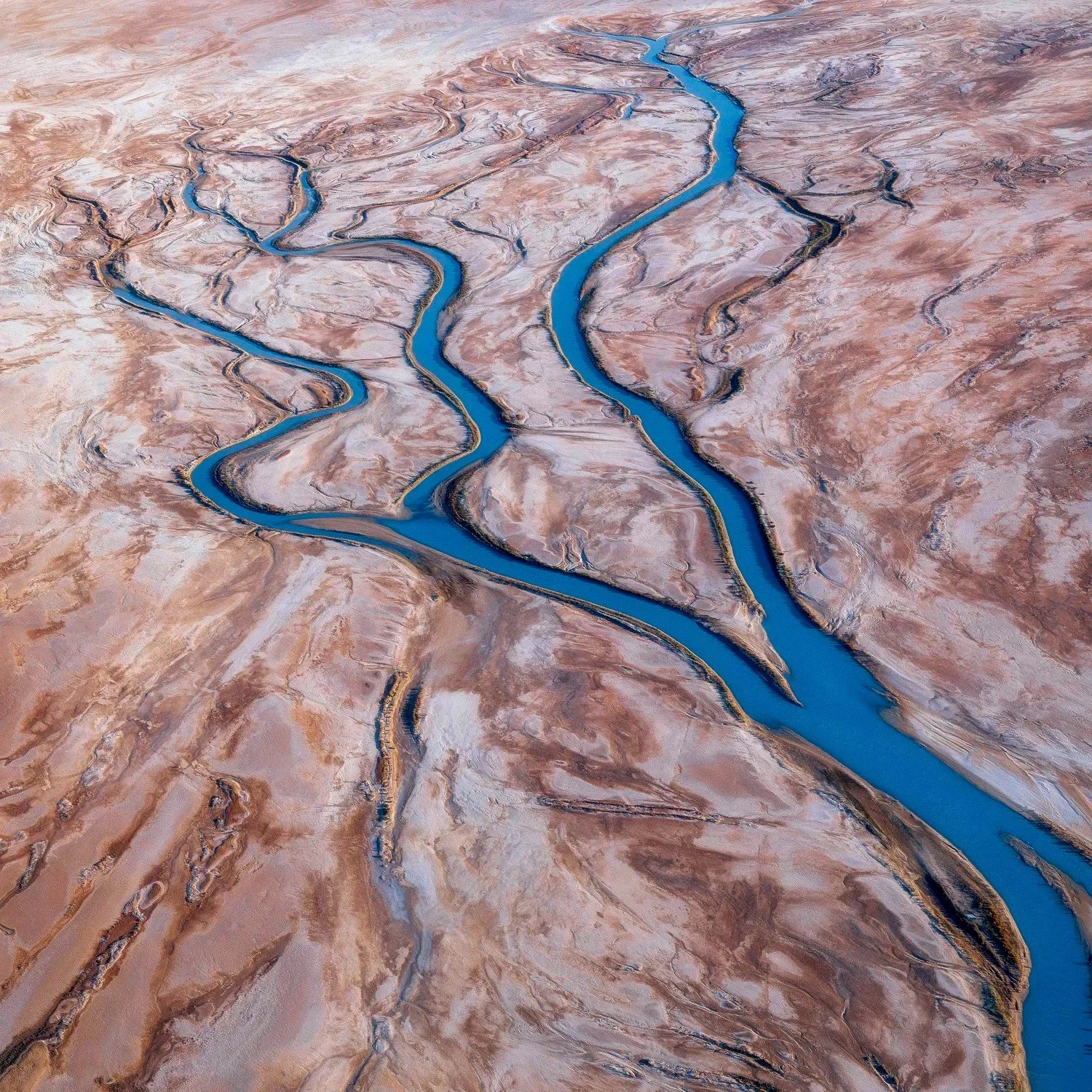
Abstract photography ideas: seven exercises in seeing
Seven abstract photography exercises that train your eye: texture, reflections, intentional camera movement, macro, shadows, colour fields and minimal architecture. Each comes with settings, a Melbourne place to practise and a simple test for whether the frame works.
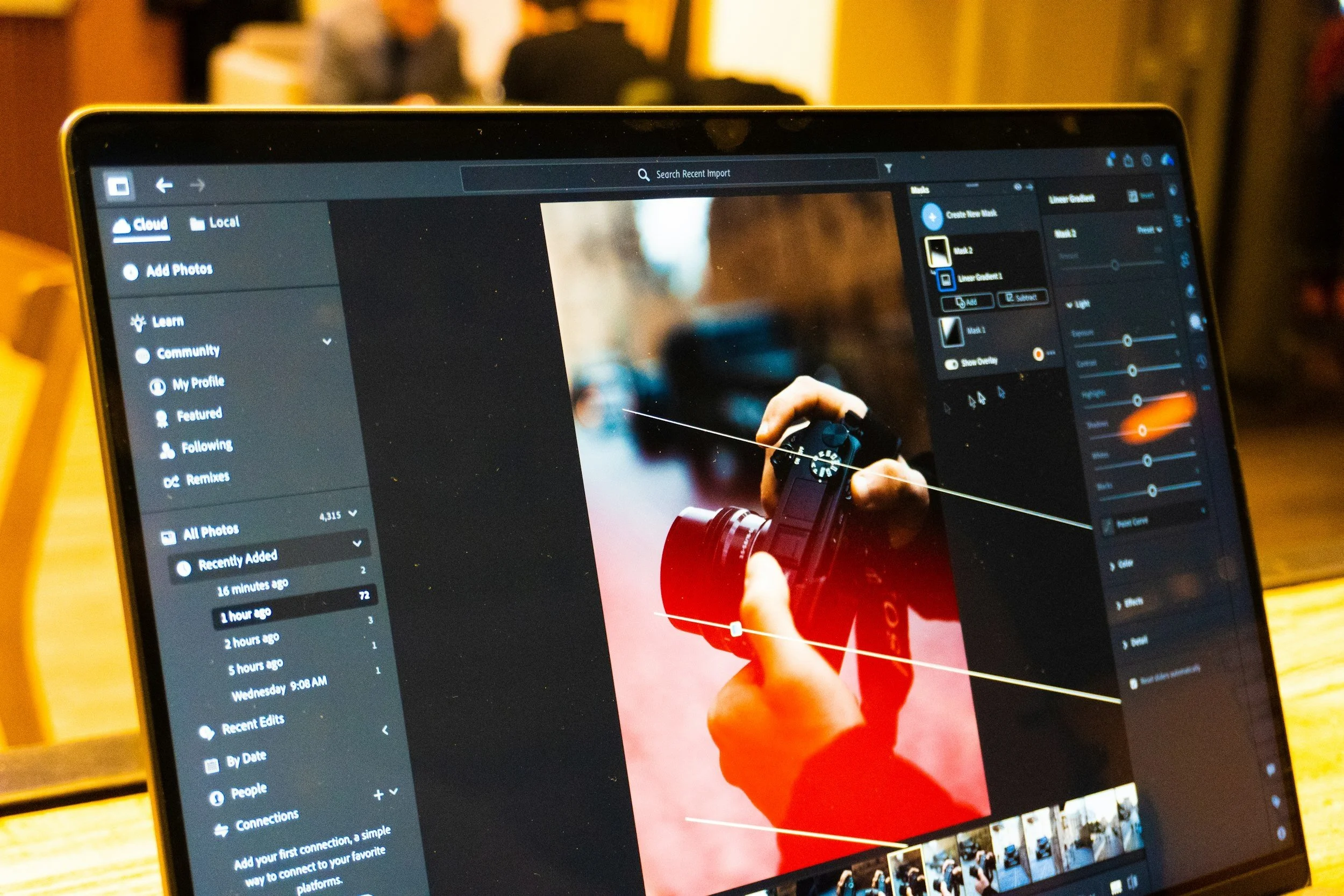
Should you watermark your photos? An honest guide
An honest guide to watermarking photos: what a watermark does and does not prevent, how copyright works in Australia, better protection through metadata, smaller files and reverse image search, and how to add a watermark that stays subtle.
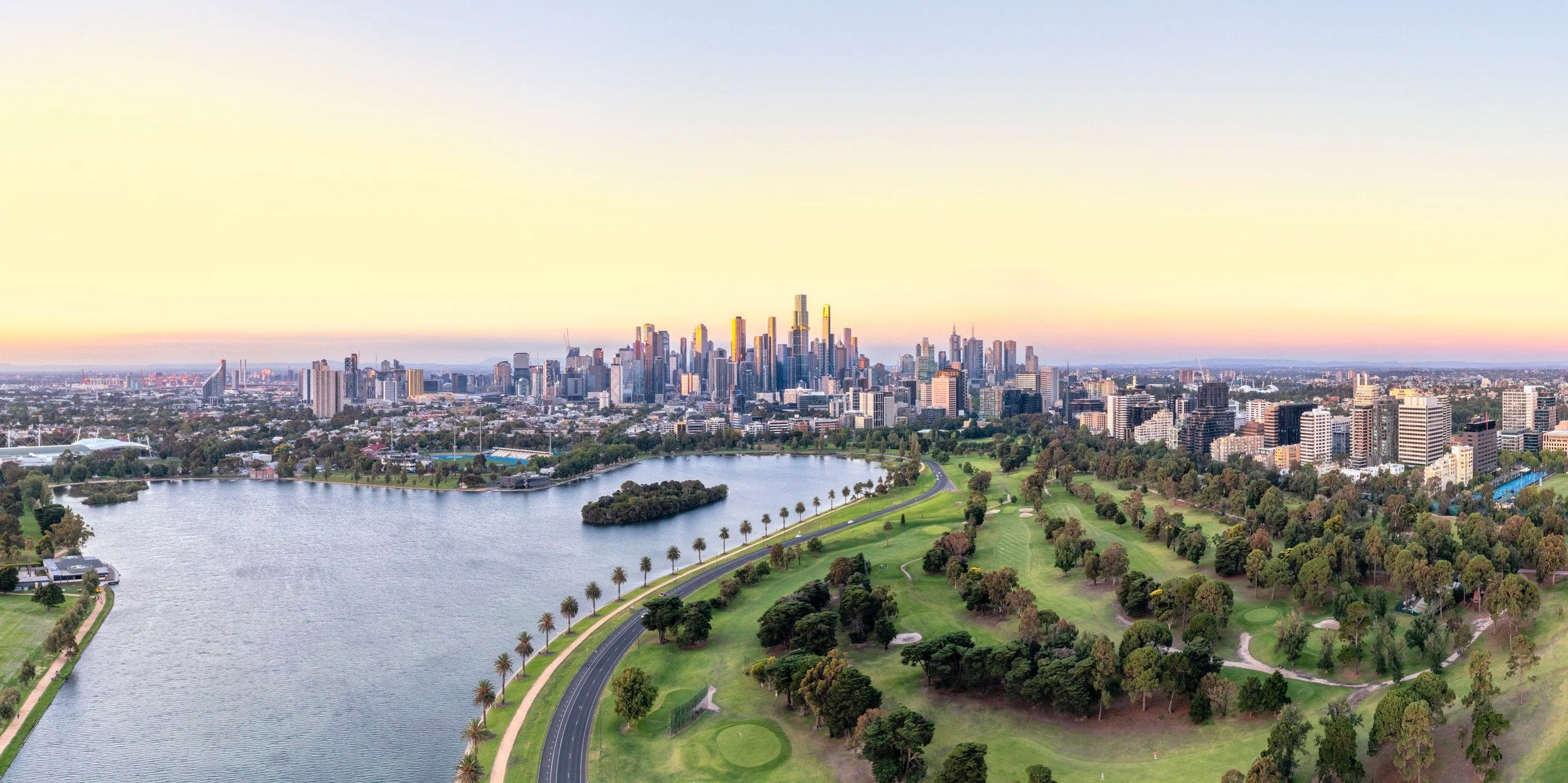
Drone photography in Australia: the rules and a safe flight
The basic CASA drone rules for recreational flyers in Australia, from the 120-metre ceiling to the 30-metre buffer, where you can fly around Melbourne, drone etiquette, a pre-flight safety routine, and settings for sharper aerial photographs.
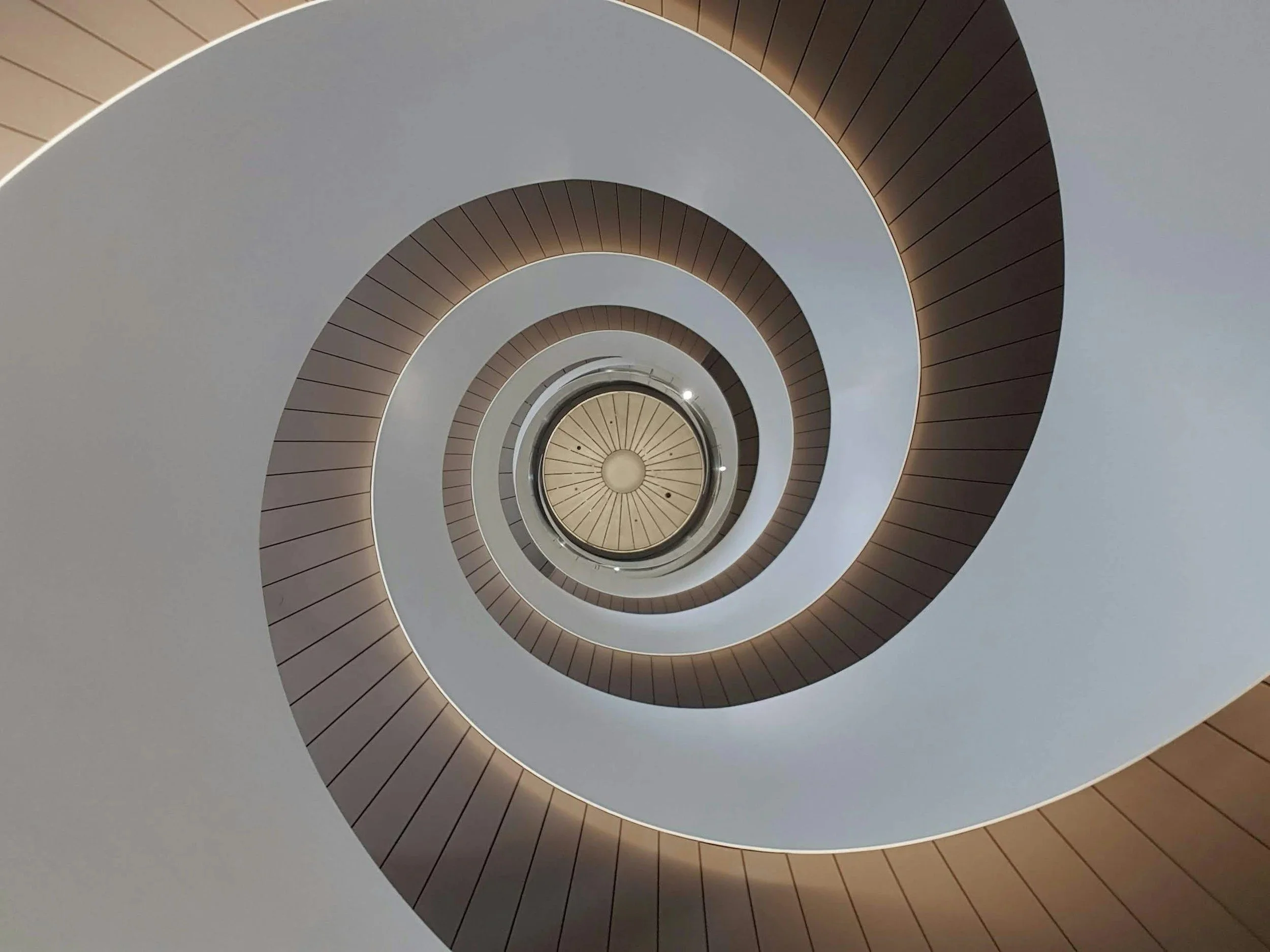
Composition beyond the rules: balance, weight and rhythm
The next step after the rule of thirds: how visual weight works, symmetrical and asymmetrical balance, rhythm, pattern and the broken pattern, reading how the eye moves through a frame, and breaking the rules of composition on purpose.

How to edit phone photos: a five-minute workflow that works
A five-minute workflow for editing phone photos in Snapseed or Lightroom Mobile: crop and straighten, set exposure, recover highlights and shadows, correct colour, fix small distractions, edit a batch quickly, and avoid the over-edited look.
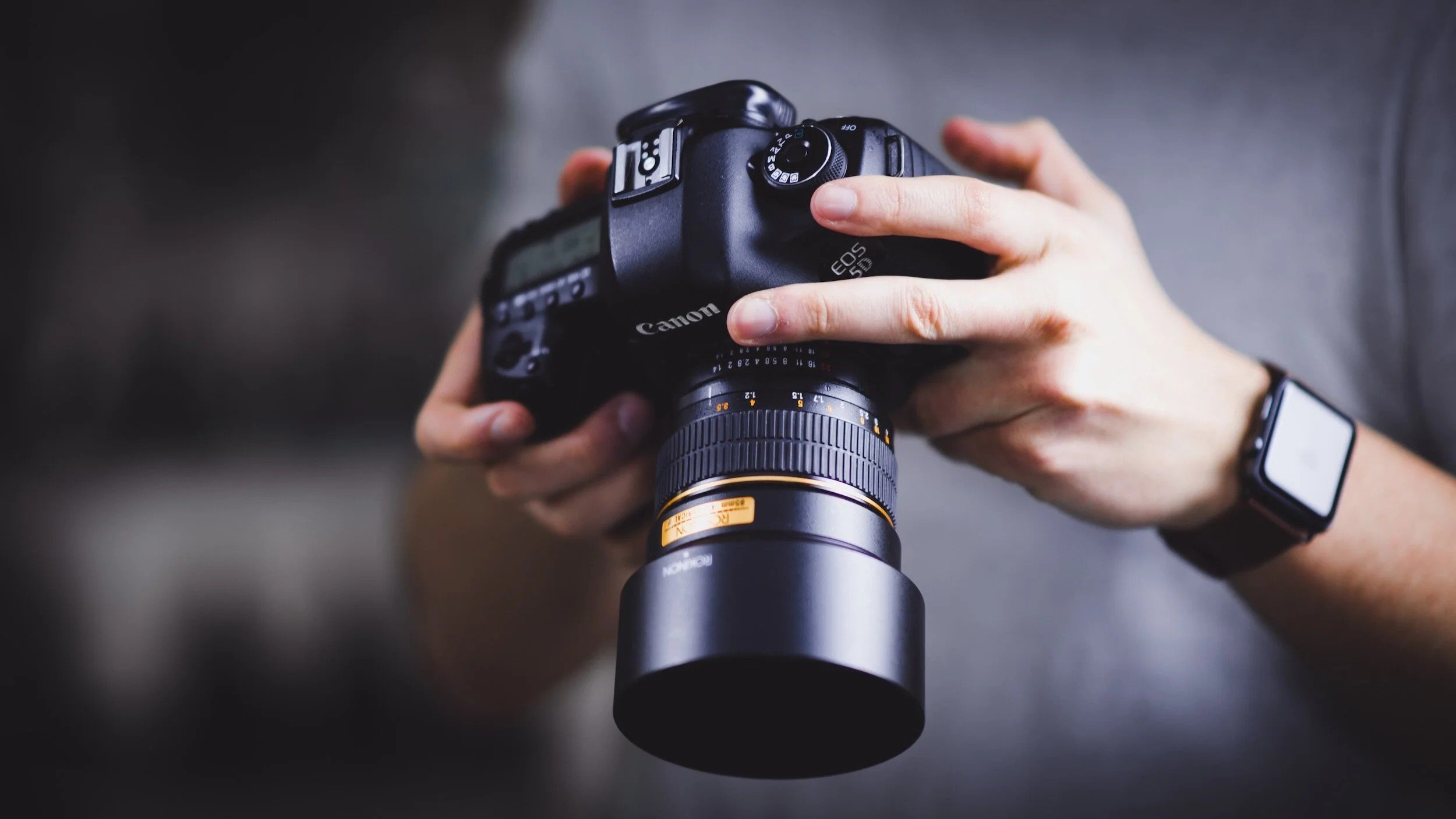
Learning photography: self-taught, taught, or both?
Self-taught or taught? An honest comparison of learning photography through YouTube, books, forums, courses, private lessons and mentoring, what each is good and bad at, and the few habits that actually shorten the road to better pictures.